
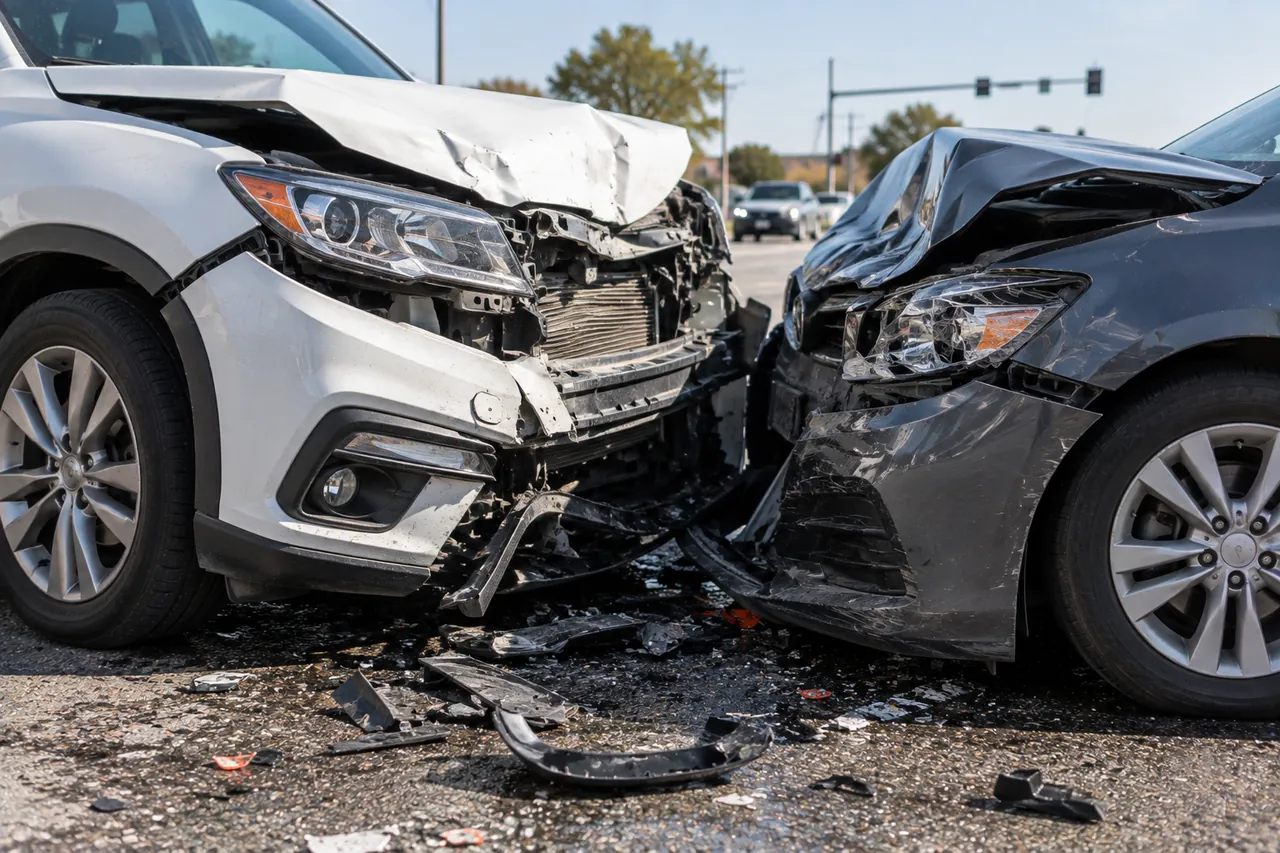
Visible Damage Is Only the Beginning
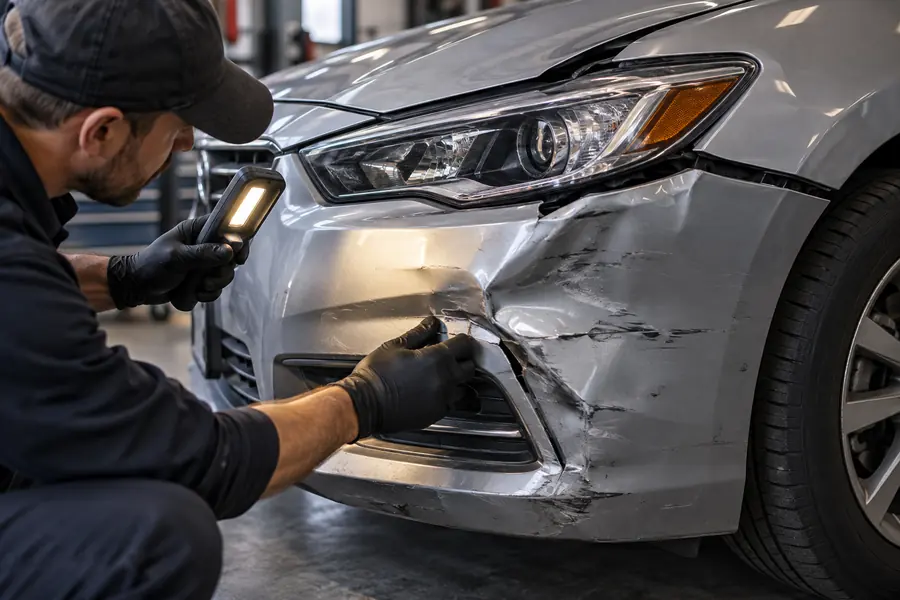
Whether the visible damage involves a bumper, body panel, paint or a larger impact, the repair process begins by understanding what happened to the vehicle and what must be inspected before a complete repair plan can be developed.
Modern vehicles can hide damage behind exterior panels. Depending on the collision, repair planning can involve:
- body and panel damage
- structural dimensions/components
- suspension and alignment
- diagnostic trouble codes
- cameras, radar and sensors
- refinishing requirements
- manufacturer-specific repair procedures
THE REPAIR PLAN
Repair the Vehicle, Not Just the Estimate
After a collision, the goal is not simply to make the damage disappear. The vehicle needs a repair plan built around the damage, the vehicle and the manufacturer’s repair information.
That is why a proper repair begins with understanding the vehicle and the damage—not simply writing a list from what can be seen in a parking lot.
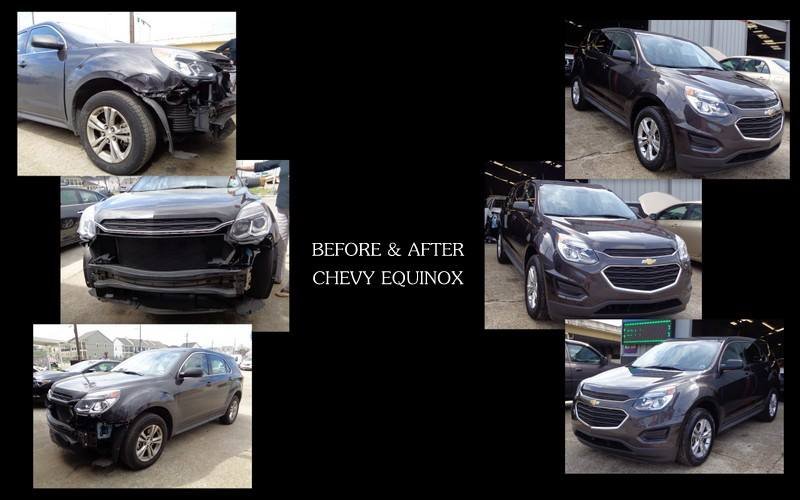
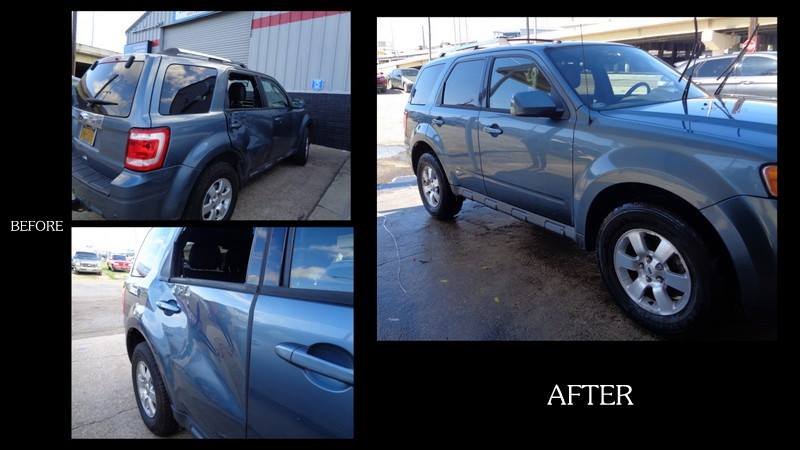
Insurance Estimates and Hidden Damage
The insurance company’s initial estimate may be only one part of the process. Hidden damage and additional required operations can result in supplements after the vehicle is inspected or disassembled.
Understand the Repair Plan
How a Collision Repair Plan Develops
The first question is what happened to this vehicle. Impact location, direction, symptoms and the visible condition give the inspection a starting point. A scrape, a displaced wheel and a closure that will not latch create different questions even when all are described as collision damage. Tell the shop about changes you noticed after the accident, and distinguish them from symptoms that were already present.
Inspection develops the plan from evidence. Removing damaged or obstructing parts may reveal additional conditions, while structural dimensions or electronic information may answer questions that a visual review cannot. A complete conversation should identify what is known now, what still requires access and which vehicle-specific requirements affect the proposed work.
Repair, Replacement and the Work Around the Part
Repair versus replacement is not decided by comparing a dent with the price of a panel alone. Material, access, damage location and the permitted method can change the decision. A bolt-on outer fender, a joined quarter panel and an inner reinforcement do not use identical processes. Ask which component is actually damaged and which procedure supports the selected approach.
The work around a part can matter just as much as the part itself. Access, attachments, corrosion protection, refinishing, scans or other required checks may belong in the plan. Those operations should be explained in context instead of presented as interchangeable extras. The correct scope is supported by the vehicle and documented condition.
Where Modern Vehicle Systems Fit
Body damage can intersect steering, suspension, cameras, radar, wiring or electronic modules. That does not mean every impact needs every operation. It means the installed equipment and affected area need to be identified before deciding what checks apply. Two vehicles with similar exterior damage can have different systems and repair requirements.
Scanning retrieves electronic information. Diagnosis investigates a cause. Structural measuring checks reference dimensions, alignment checks wheel geometry and calibration establishes specified sensor references. One completed check is not proof that all the others are unnecessary. Ask which task answers each question raised by your repair.
Working With an Insurance Estimate
An initial insurance estimate may be prepared before every area can be inspected. If access reveals additional damage or a procedure identifies another operation, the shop may document a supplement. The reason for the change should be connected to a finding or requirement, not just to an unexplained total.
Repair need, authorization to proceed and insurance payment are distinct issues. Keep the first estimate, later documentation and written explanations together. Ask the shop what has been established and the insurer what payment decision remains. Choosing a shop does not automatically settle every parts, deductible or coverage question.
Start With the Correct Boudreaux’s Location
Both shops provide collision/body repair and paint/refinishing. New Orleans is at 2150 Earhart Boulevard, phone 504-309-3092. Luling is at 101 4th Street, phone 985-331-0707. These are two real shop addresses; nearby community names do not represent additional branches.
The New Orleans location has the confirmed measuring, structural, alignment/frame and diagnostic resources described on its location page. Confirm a particular operation with the selected shop before arranging transport. An online estimate request starts the conversation; the team still needs to confirm an inspection, drop-off or repair arrangement.
Go Deeper Into Your Repair Questions
More Answers in This Repair Topic
CHOOSE YOUR SHOP
Two Real Louisiana Collision Repair Locations
Choose the Boudreaux’s Collision location that is most convenient for your estimate, repair questions, directions and follow-up. Each page below gives you the address, phone number, local context and the next step for getting started.
NEW ORLEANS
Collision Repair in New Orleans
2150 Earhart Boulevard
New Orleans, LA 70113
Start with a vehicle-specific estimate, learn about collision repair and review the New Orleans location details before you arrive.
LULING · ST. CHARLES PARISH
Collision Repair in Luling
101 4th Street
Luling, LA 70070
Start with a vehicle-specific estimate, learn about collision repair and review the Luling location details before you arrive.
Questions before your next step
A closer look at this topic
Generated educational illustration — Collision Repair Overview.