
REAL REPAIR PHOTOS
Real Collision Repairs: Before & After
Before-and-after photos are useful when they are paired with context: what was visible, what was found during repair planning, what operations were completed and what the finished result looked like. Browse the repair evidence available today, then contact the shop about your vehicle.
SUV side-area damage and completed exterior
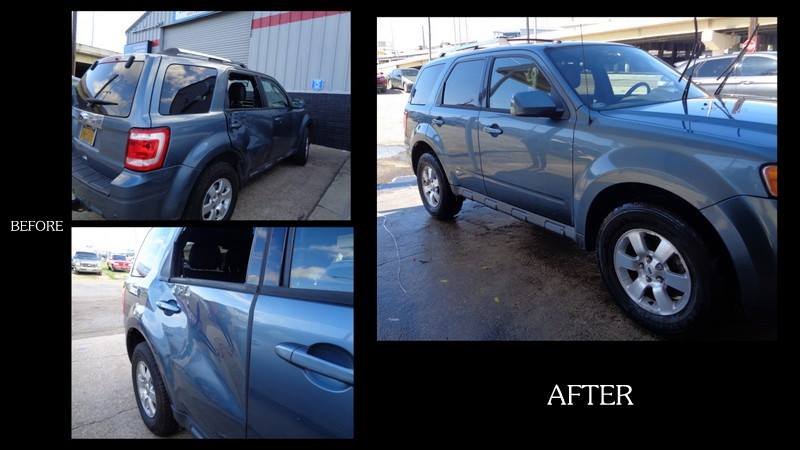
Original Boudreaux’s archive comparison: side-area damage in the before views and the completed exterior in the after view. The photographs do not establish the complete technical repair scope.
Chevrolet Equinox front-end damage and completed exterior
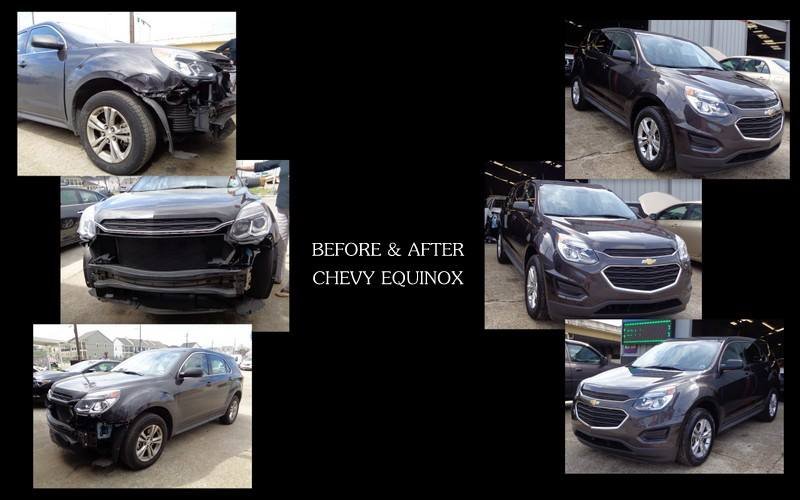
Original Boudreaux’s archive comparison: front-end damage and completed exterior views. No parts list, structural measurement, calibration result or completion time is inferred from these photographs.
What a Photo Can—and Cannot—Show
A finished exterior can show panel fit, color, finish and the visible result. A photograph cannot by itself prove structural condition, sensor operation, corrosion protection, repair procedures or whether hidden damage was present. That is why a responsible repair story connects images with the repair plan and the vehicle.
How to Read a Repair Story
Look for a clear sequence: initial damage, teardown or inspection when available, repair or replacement work, refinishing and the finished vehicle. Captions should identify what is actually visible without claiming more than the photo supports.
Continue Through the Repair Evidence
Compare the sequence without guessing the hidden work
Start with the same vehicle across the before and after views. Identify the visible impact area, then look at the completed exterior shown in the comparison. The SUV archive emphasizes side-area damage; the Chevrolet Equinox archive shows front-end damage and the completed exterior.
The next question is what records would explain the work between those photographs. Inspection findings, the repair plan and relevant verification provide information the finished exterior cannot show. These archive images do not supply a full technical case file, so their captions do not invent a parts list, completion date or calibration record.
For your own estimate, describe the impact and current symptoms and provide the information requested by the shop. Do not assume the repair shown for another vehicle establishes the work, price or schedule for yours.