
BOUDREAUX’S COLLISION · REPAIR EDUCATION
Glass Installation and Release-to-Drive Guidance
Glass-installation products can have specific conditions governing when the vehicle may be released for use. The appropriate guidance depends on the product and installation circumstances. A universal wait time should not replace the installer’s applicable instructions.
Illustration: Glass Installation and Release-to-Drive Guidance
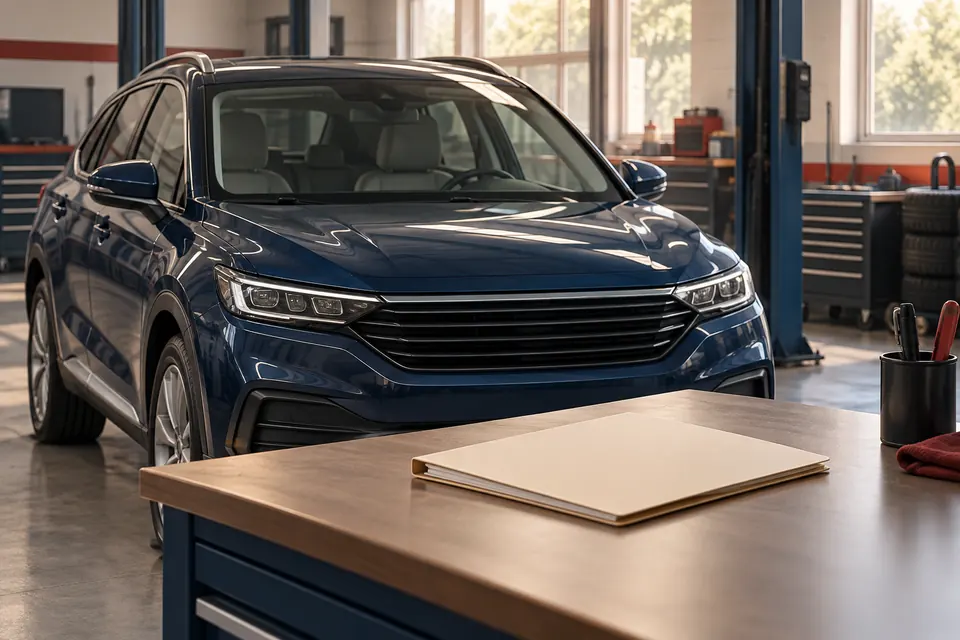
Generated educational illustration: glass installation handoff guidance. Not an actual customer repair, diagnostic result, staff member or Boudreaux’s facility.
What to Clarify for Your Vehicle
Ask the provider for the actual release and care guidance and whether any camera-related requirements remain outstanding. A repaired exterior appearance does not establish these separate conditions. Follow the provider’s instructions rather than timing the work from when the glass looked installed.
Glass installation has a release-to-drive requirement
Bonded glass adhesives have product-specific conditions for when a vehicle can be released for driving. That timing is not interchangeable with a surface feeling dry, and a universal wait time for all installations would be misleading.
The installer must consider the actual product, relevant conditions and applicable vehicle requirements. Other completion requirements, such as camera calibration where required, remain separate from adhesive timing.
Get clear instructions before leaving
Ask when the vehicle may be driven and request the installer’s aftercare instructions. Confirm any restrictions relevant to washing or other activities rather than assuming all glass installations use the same advice.
Keep the installation record and release information with the repair documents. If pickup arrangements change, confirm that the release conditions have still been met. A finished-looking windshield is not, by itself, the basis for deciding that the vehicle is ready to leave.
Example: pickup time changes after glass installation
A vehicle’s glass is installed late in the day and the owner wants to collect it immediately. The installer needs to apply the release-to-drive guidance for the actual adhesive and conditions. A finished appearance and a convenient collection time do not establish that the requirement has been met.
Ask when release is permitted and whether any other operation remains. If camera-related work is required, its completion is a separate question. Satisfying adhesive timing does not establish that calibration finished, and completing calibration does not replace the bonding requirements.
Keep the instructions with the repair records and follow the installer’s guidance for later activities. Avoid using a wait time remembered from another vehicle or product. If pickup is delayed, confirm the current arrangement with the shop instead of assuming the original message still applies. This example makes the handoff decision understandable without publishing a universal number of minutes for every glass installation.
Further repair information
I-CAR: stationary-glass installation considerations
Sika: product-specific drive-away background
General background does not replace applicable vehicle and product instructions for the actual operation.
Related Guidance
Installation completion and permission to drive are different
A newly installed windshield can look finished before the applicable adhesive drive-away requirements have been met. The installer must provide guidance for the actual adhesive system and installation circumstances. Do not use a general internet waiting period or the fact that the trim is fitted as permission to move the vehicle.
Ask for the earliest permitted drive-away time before arranging pickup and confirm it again at handoff. If the installation schedule changes, ask whether your pickup arrangement also needs to change. A calendar appointment is not a substitute for the installer explaining the requirements for the completed installation.
That timing concerns the bonded glass operation. Other collision repairs, diagnostic concerns or applicable calibration may still prevent release. Ask the repair coordinator which parts of the overall plan are complete and whether anything remains pending. A windshield installation and a complete vehicle repair should not be treated as the same milestone.
Get instructions that match the work performed
The adhesive type, installation conditions and applicable instructions affect drive-away guidance. Ask the installer to identify the instructions you should follow rather than assuming that a timing recommendation from a previous vehicle applies. If the shop coordinates an outside installer, establish who supplies and explains the handoff information.
Care instructions can concern use of the vehicle and treatment of the installation after release. Ask for them in writing when available and clarify anything you do not understand before leaving. Do not infer permission to wash the vehicle, remove installation materials or alter the trim from a generic rule found online.
For a vehicle equipped with a windshield camera or related system, ask whether replacement triggers a vehicle-specific calibration or other operation and whether it is included in the repair plan. Adhesive drive-away readiness and system verification answer different questions. Completing one does not automatically establish that the other has been completed.
Plan a handoff that does not create an unnecessary trip
Confirm the pickup location, receiving contact and release arrangement with the selected Boudreaux’s New Orleans or Luling facility. If someone else will collect the vehicle, make sure that person receives the drive-away and care instructions too. A message saying the glass was installed should lead to confirmation of release details rather than an immediate drive.
At pickup, review any remaining warning, visible installation concern or unexplained instruction. Ask how to contact the installer or repair coordinator if wind noise, moisture or another issue appears later. Do not manipulate the molding, apply sealant or make repeated drives to test a concern yourself.
Retain the final invoice, installation date, supplied guidance and any related calibration documentation with the collision records. If a concern develops after delivery, describe when it appeared and the conditions already experienced. The record helps the repairer assess the actual installation without relying on a remembered generic wait time or an assumption about who performed the work.