
Start with the situation you are facing
These owner checklists focus on the information that helps an assessment: what changed, what the shop needs to know and which questions to ask. They complement our technical guides rather than replacing an inspection.
Browse the Repair Education library, explore collision repair services or request an estimate conversation.
Published owner checklists
Choose your shop
New Orleans: 2150 Earhart Boulevard · (504) 309-3092
Luling: 101 4th Street · (985) 331-0707
Contact the selected location to confirm the assessment, service arrangement and next step for your vehicle.
Use a checklist to prepare a useful conversation
Choose the topic that matches the decision in front of you. A fresh accident, a vehicle waiting for inspection and a vehicle ready for pickup need different questions. Start with what you observed, what records you already have and what you need the shop to explain next.
Write your observations in ordinary language. Include when a concern began and whether it was present before the collision. Keep a photograph, estimate or report with its date so the shop can understand the stage it represents. Do not turn an observation into a diagnosis or assume a checklist establishes the condition of a concealed component.
For a hypothetical intake note, you might record the impact area, an opening that no longer behaves normally and a question about transport. That note helps organize the conversation; it does not identify a failed part or approve a repair. If movement may be unsafe, call the selected shop about receiving arrangements before attempting to drive.
Keep the next decision and the next update together
After speaking with the shop, note which question was answered and which remains open. Record who is following up and when you should expect another update. This is useful when the repair plan depends on inspection, parts identification or another decision that is not settled during the first call.
The published directory and the permanent guides serve different purposes. The directory lists available weekly articles; the permanent education links give you deeper explanations you can use immediately. Upcoming weekly articles appear when published. You can use the current guides without waiting for a particular future topic.
Contact the New Orleans or Luling location handling your vehicle when a question requires an appointment, authorization or repair update. Reading or saving a checklist does not send its answers to the shop.
Weekly checklist questions
Useful checklists you can use today
Published weekly checklists are listed above, and new articles appear as they are released. You do not need to wait to organize your repair questions: these permanent guides are available now.
Published weekly articles will appear in the directory automatically. Upcoming articles remain private until their scheduled publication.
A closer look at this topic
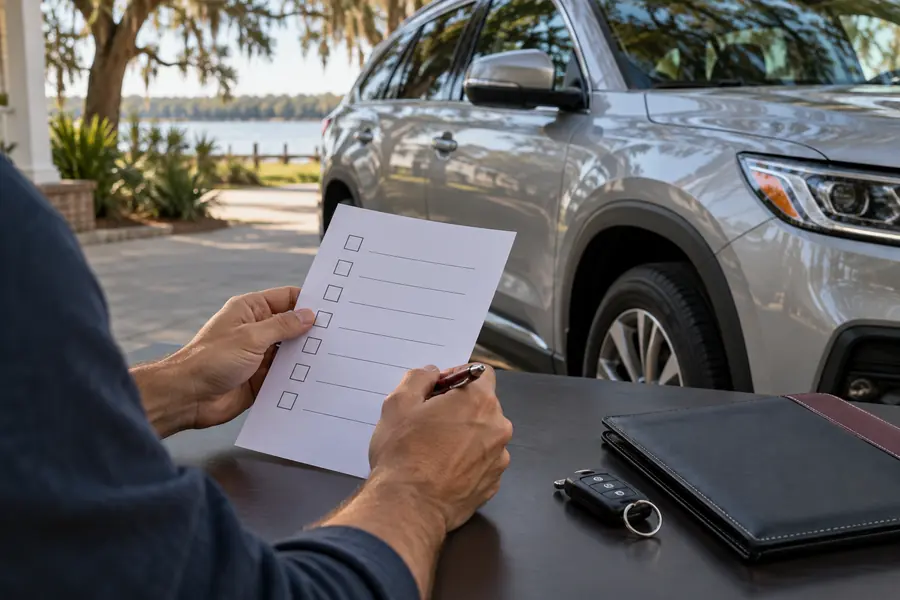
Illustrative example — Weekly Repair Checklists.