
BOUDREAUX’S COLLISION · REPAIR EDUCATION
Fuel Filler Area Damage After a Collision
A collision near the filler door can involve the exterior pocket, adjacent panel, cap area and hidden routing or attachments. A dent around the opening does not establish whether the fuel system is affected. Fuel odor or a suspected leak is a separate safety concern.
From the Boudreaux’s archive
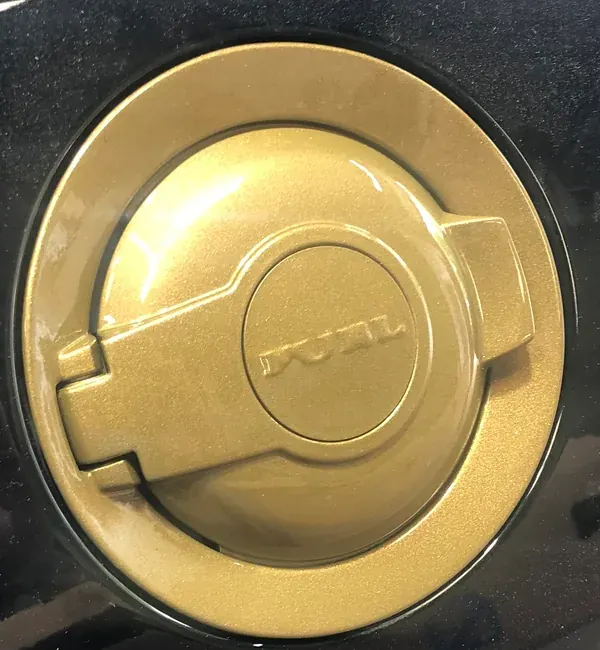
Owner-supplied paint-project archive close-up of the exterior filler-door surround. This cosmetic view does not show concealed fuel components, diagnose a leak or establish safe operation or refueling.
What to Clarify for Your Vehicle
Stay away from ignition sources and obtain appropriate assistance if fuel leakage is suspected. Once the vehicle can be assessed safely, ask which body and fuel-system components need inspection. General body-repair guidance cannot establish that a damaged fuel system is safe.
Describe the affected area without assuming one component
The fuel filler area may involve an exterior door, adjoining panel, attachments and other vehicle-specific components. An impact in that area should be described by location and observation rather than by assuming the exterior flap is the only affected piece.
Report a new closure problem, visible displacement or a concern you noticed after the collision. If there is a fuel smell, leakage or an immediate hazard, treat that as a safety matter and seek appropriate emergency help rather than using this guide to continue operating the vehicle.
A web article cannot determine the condition of the concealed components. The receiving shop needs the vehicle information and a clear explanation of the impact.
Why a body-panel repair and a filler-system concern are distinct
Repairing the adjoining exterior panel explains only one part of the scope. Ask whether the filler-area attachments and related components were assessed where relevant to the impact. Do not assume that finish work establishes every underlying condition.
The proposed operation should identify the component and reason. If a closure, bracket or adjoining part is listed, ask what finding supports that line. If access is still required, clarify that the estimate decision remains conditional.
Two outwardly similar vehicles can have different filler arrangements. The exact model and current repair information matter more than a generic description of a fuel-door repair.
An example of a useful assessment conversation
Suppose an owner reports that the fuel door no longer sits in its usual position after a side impact. That is a useful observation. It does not establish whether the door itself, its attachment or the surrounding opening explains the change.
The shop can discuss what access and assessment are needed. A later explanation should identify the confirmed location and proposed treatment. The question becomes more precise than whether the entire rear quarter is “fine.”
Do not force the closure or remove components to obtain a better image. Provide safe exterior photos and discuss transport if there is any concern about safe operation.
Questions for the estimate and repair record
- Which exterior and concealed components are relevant to the impact?
- Is the concern in the door, attachment or surrounding opening?
- Which findings are confirmed and which still need access?
- What vehicle-specific operation is proposed?
- What relevant checks remain before handoff?
Keep the description specific to the affected area. A repair record should make it possible to understand what was addressed without treating a cosmetic appearance as a substitute for the assessment.
For a related distinction, read panel repair versus replacement. Contact the selected shop about your actual vehicle.
Further repair information
U.S. Fire Administration: vehicle fire safety
General background does not replace the applicable information or assessment for your vehicle.
Related Guidance
Confirm the receiving arrangement before transport or drop-off
Explain any suspected leak, odor or operating concern before a transporter or shop agrees to receive the vehicle. Confirm the destination, acceptance and handling arrangement for the actual condition. A normal estimate appointment or shop address should not be treated as standing permission to deliver a vehicle with an unassessed hazard. Let the relevant providers determine appropriate transport and receiving steps.
Keep the final repair record and any instructions together after assessment. If a new closure or odor concern appears later, report the location and timing without forcing the door, removing the cap or dismantling nearby components to investigate. Contact appropriate emergency assistance for an immediate hazard. For an ordinary follow-up, ask the selected shop who will review the concern and how any specialist assessment is coordinated; this article cannot determine fuel-system condition or authorize vehicle operation.