
COLLISION REPAIR
Collision Paint & Refinishing
Restoring collision-damaged paint is more involved than looking up a color code and spraying a panel.
The refinishing process can involve damage repair, surface preparation, color evaluation, paint application, blending and finish work based on the vehicle and repair area.
Color Matching
Factory color information provides an important starting point, but vehicles can have color variants and real-world finish differences. The refinishing process may require evaluating the existing finish and selecting or adjusting the approach accordingly.
Why Paint Blending May Be Needed
Sometimes the best visual transition cannot be achieved by stopping new color exactly at the edge of the repaired panel. Depending on the color and repair, refinishing procedures may involve blending into an adjacent panel to create a smoother transition.
Preparation Matters
A finished surface depends on the work underneath it. Repair, substrate preparation, masking, application and finish steps all contribute to the result.
Part of the Collision Repair
Refinishing should be integrated with body repair, replacement panels and the larger repair plan rather than treated as an isolated cosmetic add-on.
Related Repair Guidance
Evaluate the Existing Finish
Paint matching begins with identifying the finish and comparing it with the actual vehicle. A factory code can point to a color family while leaving several formula variants to evaluate. Previous refinishing, the existing appearance and an effect color’s behavior can influence the selection. A photograph taken under different lighting is not a reliable substitute for comparison.
A spray-out sample can help evaluate a proposed formula and application before painting the vehicle. Metallic or pearl appearance should be considered from different angles. Ask how the existing finish will be assessed and why the selected process suits the repair area.
Preparation Beneath the Visible Color
The finish depends on what is underneath it. Cleaning, repairing, sanding and compatible undercoats have different purposes. A repaired panel and a replacement panel may begin with different surfaces, and neither should be assumed ready for color without the preparation required by the refinish system.
Coatings also interact with protection disturbed by the collision repair. Exposed substrate, seams and concealed areas may require processes not visible in the final exterior photograph. Ask which preparation and protection belong in the plan instead of judging the process only by the final color layer.
Color Blending and Clearcoat Boundaries
A sharp color boundary can be visible even when a formula is close. Blending may create a gradual transition into an adjacent panel. That panel can need refinishing-related work without having collision damage of its own. The estimate should explain the reason and scope rather than leave the owner wondering why an undamaged panel appears.
Color blending and the clearcoat application boundary are related but different decisions. The applicable refinish-system process controls the work. Ask which panels receive color, which areas receive clearcoat and how the transition is evaluated. Every repair does not automatically need the same blend area.
Pearl, Metallic and Multi-Layer Finishes
Effect finishes can change brightness or hue with viewing angle and lighting. A tri-coat can use a ground color, an effect layer and clearcoat, making the appearance depend on more than one layer. The formula and application both matter. The exact coating system should be identified before assuming the repair is equivalent to a simple solid color.
Owners can ask how samples and lighting comparisons support the match. The goal is a documented refinishing approach for the existing vehicle, rather than a promise based solely on a paint code. Use the linked guides for the differences between color variants, metallic appearance and tri-coat matching.
Inspection and Care After Refinishing
Review the finish with the shop and ask for the care instructions applicable to the products used. There is no universal waiting period for every wash, wax or ceramic product. If you notice a concern, identify its location and viewing conditions and let the shop inspect it before you attempt polishing or another correction.
Both Boudreaux’s locations provide paint/refinishing as part of collision/body repair. Ask the team which products, written terms and aftercare instructions apply to the work being proposed. Contact New Orleans at 504-309-3092 or Luling at 985-331-0707 to discuss the actual vehicle and finish.
Go Deeper Into Your Repair Questions
More Answers in This Repair Topic
Inside a paint booth
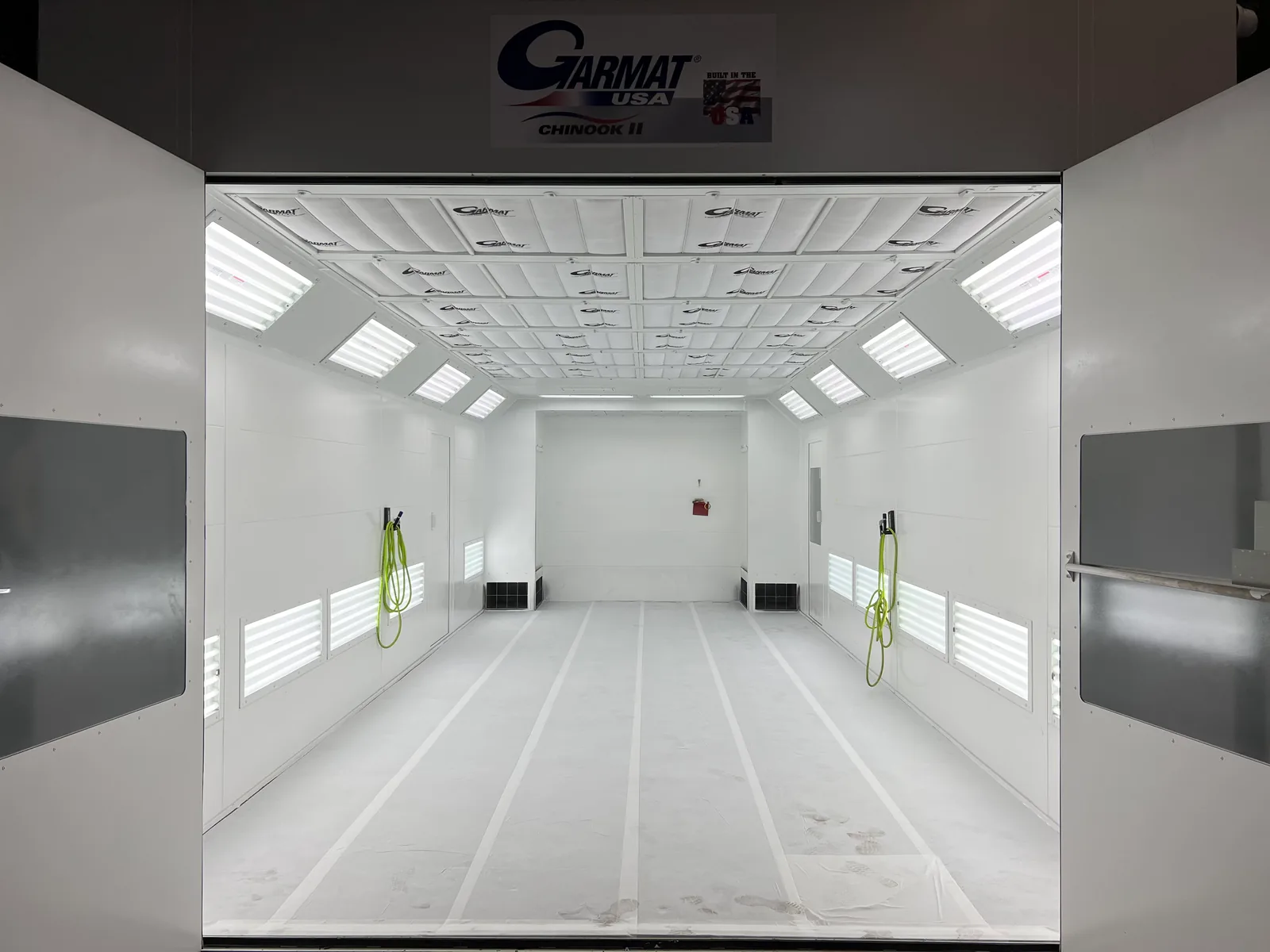
Owner-supplied archive photograph of a paint-booth interior. The coating system, preparation and care instructions for your own repair should be confirmed with the selected shop.