
Separate the repair plan from the payment conversation
After a collision, three conversations can run together: what the vehicle needs, what work you authorize and what the insurer will pay. Separating them makes the process easier to follow. The shop explains physical findings and proposed repair operations. You clarify permission to proceed and any questions about the scope. The insurer explains its coverage and payment decisions.
An estimate total alone does not show whether two proposals describe the same job. One document may be based on visible damage, while another includes findings after access or different part selections. Compare the actual line items, notes and inspection stage before deciding that a price difference is a disagreement about identical work.
Use this hub to choose the right next guide. The estimate explanation covers how scope develops. Claims assistance explains useful information to bring. The supplement guide explains documented additions after initial planning.
A simple way to compare two estimate versions
Start with the vehicle identification and document dates. Confirm that both versions concern the same vehicle, impact and repair stage. Then compare the proposed parts, whether an item is repaired or replaced, the labor categories, refinish work and any notes about access, diagnostics or required procedures.
A missing line may mean an operation has not yet been established; it does not automatically prove it is unnecessary. Likewise, an added line should have a clear explanation. Ask the shop which finding or requirement supports it. If an insurer has not approved payment for that line, ask the insurer to identify the unresolved item and reason.
Keep each version rather than saving only the latest total. A short record of what changed makes later questions much easier to answer. For example: “The first estimate was photo-based; the revision added a damaged bracket found after removal.” This is an illustrative explanation, not a promise about how any particular claim will be handled.
Prepare an organized claim and repair folder
- The current estimate, plus earlier versions if the scope changed.
- Your claim reference and the insurer contact handling the file.
- Safe damage photos and the date of the collision.
- A short list of new symptoms, warning messages or closures that no longer work normally.
- Prior repairs or modifications that may be relevant to the affected area.
- Written questions about authorization, payment, parts availability or the next update.
Share the information needed for the repair conversation. Do not upload unrelated identity documents, payment-card information or account credentials through an estimate form. If the shop needs additional documentation, ask which document and how to provide it securely.
A folder does not have to be elaborate. Consistent filenames and a note identifying the newest estimate help prevent an older version from being mistaken for the current plan.
When a supplement or delay changes the plan
A supplement documents an addition or change to an earlier estimate. The important questions are what was found, which operation follows from it and what happens next. The answer should be more specific than “the estimate increased.” Ask whether the change affects parts ordering, authorization, payment review or the expected sequence of work.
Parts availability and repair completion are also different milestones. A part can arrive and still need fit checking, installation, refinishing or related verification. Rather than asking only for a calendar date, ask what stage the vehicle is in and what remains before the next stage can begin.
If explanations conflict, write down the exact line item or decision in question. Ask each party to address that point. General statements about the entire claim are harder to resolve than a specific question about a part, inspection finding or payment decision.
Explore the insurance and estimate guides
CHOOSE YOUR SHOP
Two Real Louisiana Collision Repair Locations
Choose the Boudreaux’s Collision location that is most convenient for your estimate, repair questions, directions and follow-up. Each page below gives you the address, phone number, local context and the next step for getting started.
NEW ORLEANS
Collision Repair in New Orleans
2150 Earhart Boulevard
New Orleans, LA 70113
Start with a vehicle-specific estimate, learn about collision repair and review the New Orleans location details before you arrive.
LULING · ST. CHARLES PARISH
Collision Repair in Luling
101 4th Street
Luling, LA 70070
Start with a vehicle-specific estimate, learn about collision repair and review the Luling location details before you arrive.
Questions before your next step
From the owner’s office and workshop archive
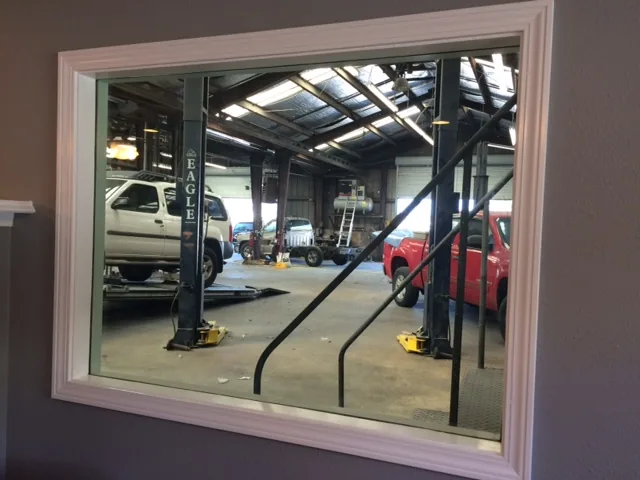
Owner-supplied office and workshop archive photograph. Bring the current estimate and your repair questions to the team; the photograph does not establish a claim outcome or insurer arrangement.