
BOUDREAUX’S COLLISION · REPAIR EDUCATION
Matte and Satin Finish Repair Planning
Matte and satin finishes manage gloss differently from conventional glossy finishes. Repair boundaries, application and care can require specific instructions. Polishing a localized area can alter its appearance, so ordinary gloss-finish advice may not apply.
Illustration: Matte and Satin Finish Repair Planning
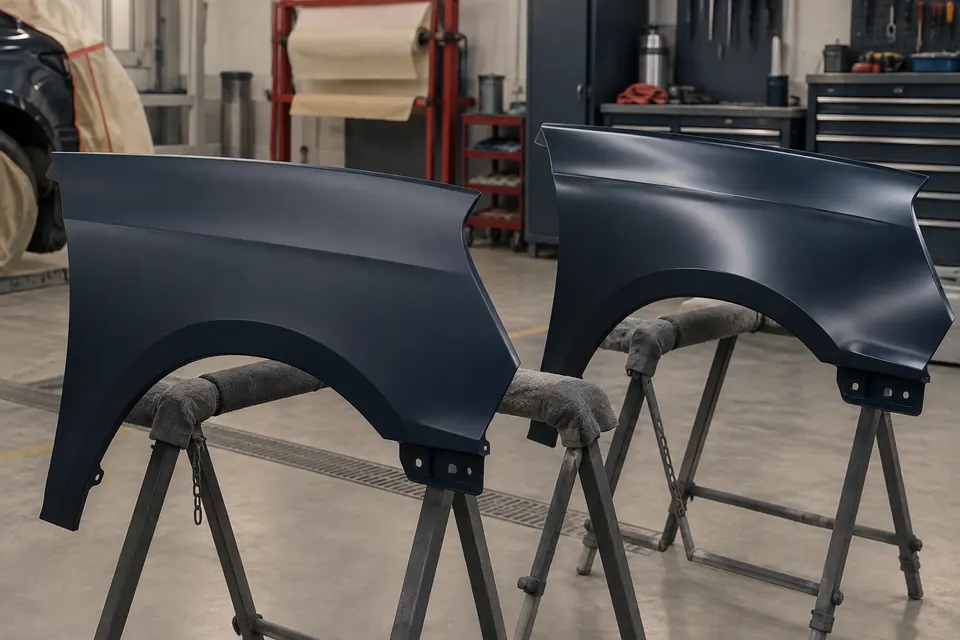
Generated educational illustration: matte satin sheen assessment. Not an actual customer repair, diagnostic result, staff member or Boudreaux’s facility.
What to Clarify for Your Vehicle
Tell the shop whether the finish is factory paint, a later coating or a wrap. Ask which finish system is being matched and what care guidance applies after repair. Do not use compounds or abrasive cleaners to test a concern before the finish has been evaluated.
The surface appearance is part of the finish specification
Matte and satin finishes are designed to reflect light differently from a conventional glossy finish. Their sheen is part of the intended appearance, not simply a glossy coating that has not been polished. A repair must consider color and sheen together.
That changes the planning conversation. A small damaged area does not automatically mean a small refinishing area will create an acceptable result. The applicable paint-system and vehicle instructions need to guide the approach, including any restrictions on blending or surface correction.
Why conventional polishing advice may not apply
Polishing changes the surface. On a low-gloss finish, that can create a visibly shinier spot instead of restoring the intended appearance. Products or techniques suitable for a glossy vehicle should not be assumed suitable for a matte or satin one.
Before the estimate is finalized, identify the actual finish and any previous repairs or protective products. A factory finish, a repaint and a wrap that imitates matte paint are different materials. Repairing painted bodywork beneath a wrap also involves a separate decision about removal and replacement of the film.
Scope and aftercare information to request
Ask the shop to identify the planned refinishing boundaries and explain how the target sheen will be evaluated. Request written aftercare instructions for the material used. Cleaning products, stain removal and protection methods should follow that guidance rather than generic advice for glossy paint.
At delivery, compare the repaired surface under consistent lighting. Report a localized glossy patch, an uneven sheen or a color concern with its exact location. Do not try to blend the appearance with a polishing compound before the repairer can inspect it.
Further repair information
PPG: low-gloss finish planning
General background and product examples do not replace the applicable instructions for the actual vehicle, material and operation.
Related Guidance
Keep aftercare and appearance concerns separate from owner treatments
At delivery, ask for the care directions applicable to the repaired finish and whether any film, coating or later service arrangement needs separate confirmation. Keep those instructions with the final scope. A dry-looking surface does not independently authorize every cleaning, polishing or protective product an owner has used on another vehicle.
If you notice an appearance concern, identify the panel, timing and viewing conditions before attempting a correction. Do not polish an area to compare it with its neighbor or apply a coating as a test. Those actions can change the condition the provider needs to review. A safe photograph may help describe the location, while the shop assesses the actual finish. This page does not promise a particular warranty or the same product and repair process at both Boudreaux’s locations.