
Visible panel and finish context from the archive
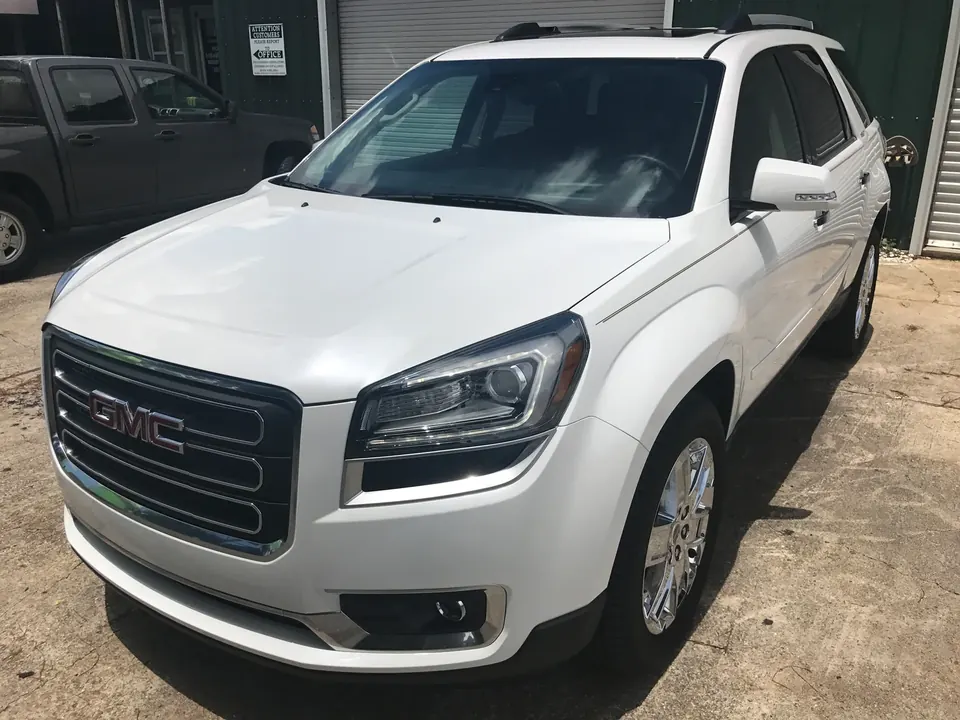
Owner-supplied GMC archive exterior view for discussing visible finish and adjacent-panel boundaries. This photograph does not establish which panels were blended, the coating system used or a measured color-match result.
Why paint a panel that was not damaged?
Blending creates a gradual color transition rather than ending new color at a sharp boundary that may look different. It may be needed because of the finish, repair area and selected refinishing process.
A neighboring panel can therefore receive refinishing-related work without having impact damage. The scope should be explained in the estimate. Ask which panels need color blending or clearcoat work and why; blending is a procedure decision, not an automatic requirement for every repair.
How This Fits Into the Repair Plan
Ask the shop to identify the damaged panel, adjacent color-transition area and finishing boundary. This makes a blend proposal understandable without treating every adjacent panel as impact damage.
Related Repair Guidance
Blending describes a color transition, not damage to another panel
An estimate can include an adjacent panel even when that panel did not receive the visible collision damage. Ask whether the line describes color blending, repair of actual damage or another operation. Those descriptions have different meanings and should not be confused when reviewing the scope.
Color blending manages the transition between the refinished area and the existing appearance. The refinisher evaluates the color and the available area within the applicable coating process. The goal of that planning is different from hiding an undisclosed structural repair or claiming that every neighboring panel was damaged.
Ask the estimator to identify the repaired or replacement panel and the proposed adjacent blend area. A marked photo or direct walkaround can help you understand the boundaries. It is easier to compare estimates when both describe the same panels and operations.
For a hypothetical fender repair, the discussion might distinguish the damaged fender from a neighboring panel proposed for a color transition. That example is not a rule that every fender repair needs the same neighboring work. The actual color, condition and refinishing requirements determine the proposal.
Separate the color boundary from the finishing boundary
A color transition and the extent of clearcoat are separate questions within a refinish plan. Ask how the selected coating process treats each. The footprint of a dent is not automatically the limit of every coating operation that follows the repair.
Preparation of an adjacent panel can also be listed separately from repair of a damaged panel. Ask what an unfamiliar operation is intended to do and which area it concerns. This prevents an owner from assuming that every line mentioning an adjacent panel means additional body damage was found.
Existing finish condition and prior repairs can affect the assessment. Tell the shop about known refinishing, peeling or earlier damage in the neighboring area. Do not cover or alter a concern to simplify the estimate. The shop needs an accurate account of the finish it is evaluating.
Product guidance can address the required blend area for a particular coating process and color type. There is no universal owner-selected distance that should be applied to every repair. Ask the shop to explain how its proposed boundary relates to the applicable process instead of copying a number from a different product or vehicle example.
Compare scope and discuss appearance in useful terms
When comparing two estimates, identify whether both include the same damaged panel, adjacent blend work, preparation and finishing. A price comparison without that information can compare different jobs. Ask for a dated revision if the panel scope changes after inspection or color evaluation.
If you question a proposed adjacent operation, ask what color assessment supports it and whether the explanation distinguishes it from unrelated pre-existing damage. Keep the answer with the estimate. The shop can explain the repair proposal while an insurer separately addresses any coverage question.
At pickup, review the repaired area and the transition with the shop. Describe the location and conditions of a concern clearly. Different lighting and angles can change how a finish presents; a single photograph or screen setting may not reproduce the direct observation you want the team to assess.
For Boudreaux’s, discuss the actual panels and coating operations with the New Orleans or Luling location handling the vehicle. This page does not promise that every repair requires blending or establish an unconfirmed paint product at either shop. It gives you a practical way to understand the scope being proposed for your vehicle.
Questions About Why Body Shops Blend Paint Into Adjacent Panels
Technical Reference
PPG: identifying a refinish color formula. Manufacturer requirements for the exact vehicle control the repair method. A reference link does not imply Boudreaux’s certification or affiliation.