
QUICK ANSWER
How do structural findings and alignment findings differ?
Structural measurements evaluate relevant vehicle reference dimensions. Wheel alignment evaluates wheel and suspension geometry. Both can contribute information, but one report does not independently replace the other assessment.
- Visible damage is documented first — panels, lamps, glass, wheels, leaks and warning lights.
- Hidden areas are checked once teardown allows access.
- Measurements and diagnostic information address different questions when relevant to the assessment.
- Your repair estimate reflects the findings, not just the first look.
HOW THE ASSESSMENT DEVELOPS
From What You Can See to What the Vehicle Can Prove
A collision assessment gets more specific as better information becomes available. These three stages keep the process easy to follow.

1
LOOK BEYOND THE SURFACE
Visible Damage
Document the obvious impact first: panels, lamps, bumper covers, glass, wheels, tires, leaks and warning indicators.
2
GAIN ACCESS
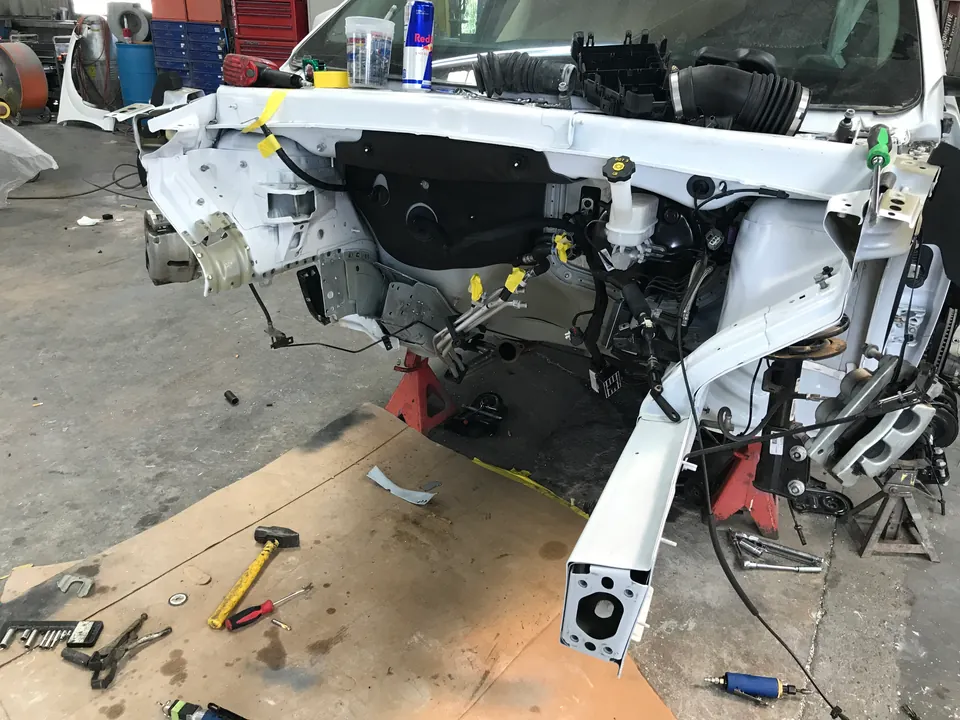
Hidden Areas
Teardown can expose reinforcement, mounts, wiring, adjacent panels and other conditions concealed by installed parts.
3
VERIFY
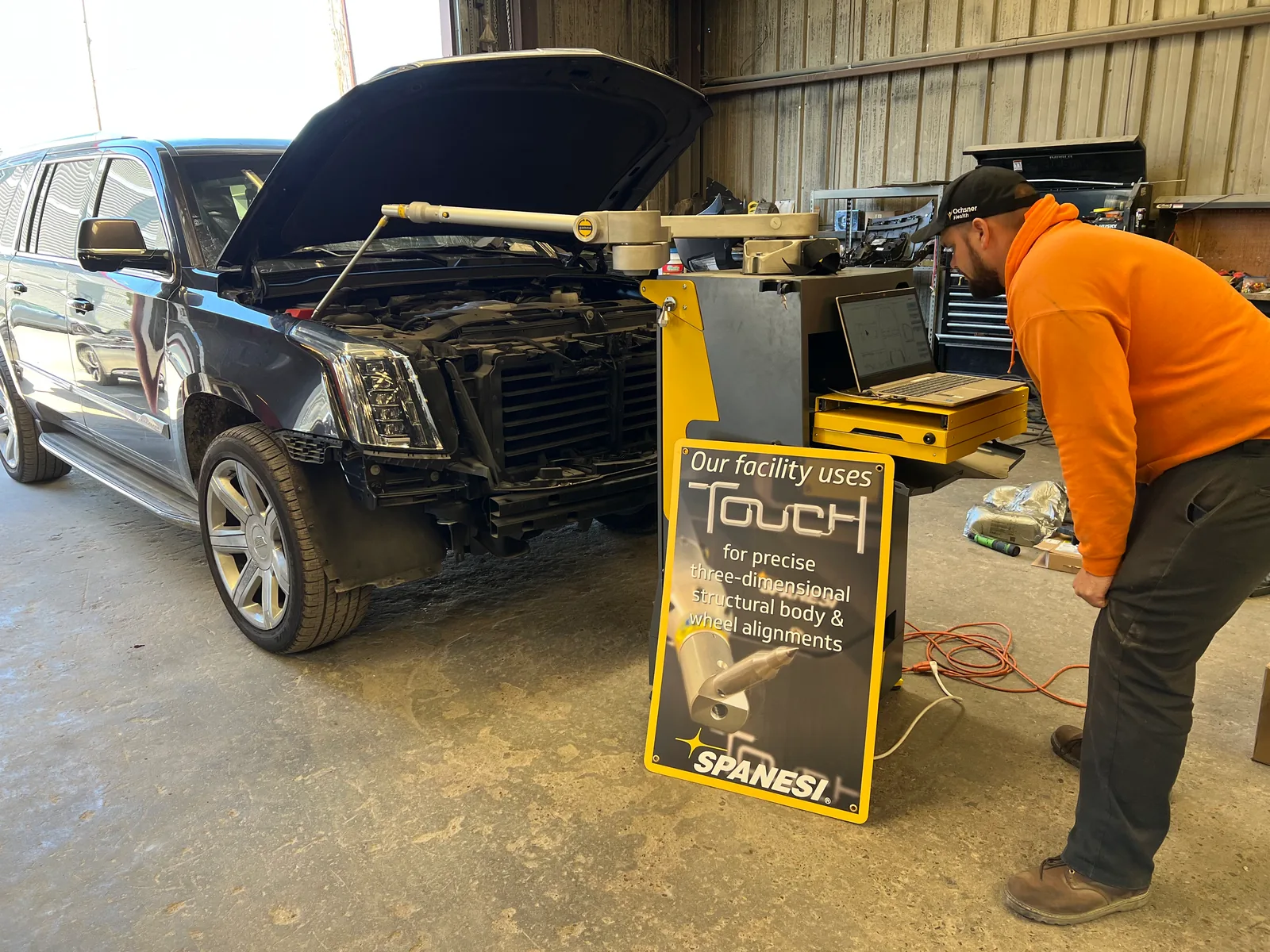
Objective Information
Measurements, diagnostic scans and OEM repair information answer questions that appearance alone cannot.
Illustration: Structural Damage and Alignment
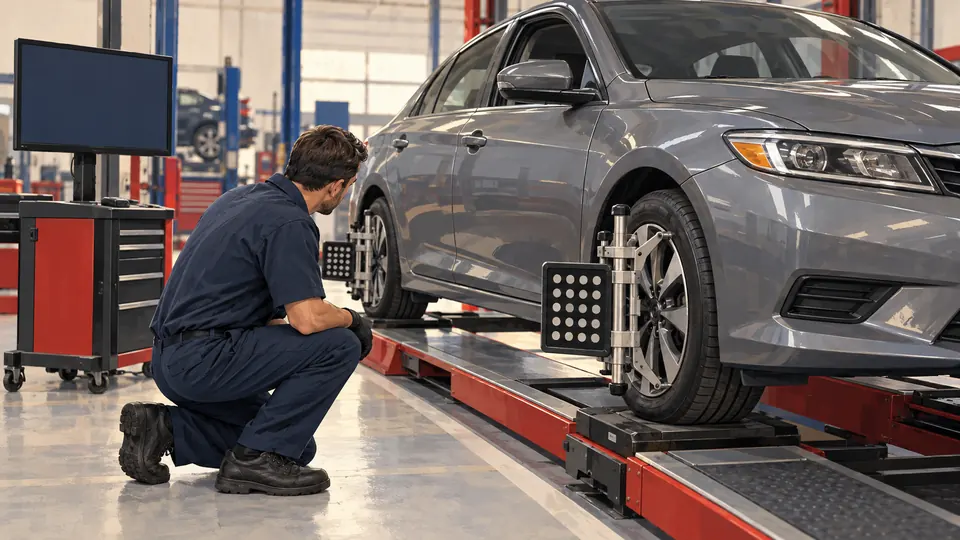
Generated educational illustration: structural alignment separate geometry checks. Not an actual customer repair, diagnostic result, staff member or Boudreaux’s facility.
TECHNICAL REALITY
Different Checks Answer Different Questions
Modern collision repair can involve several different kinds of information. They’re related to industry repair standards, but they are not interchangeable.
WHY IT MATTERS
What This Means for Your Vehicle
Structural and alignment assessments address their respective findings. It does not assume hidden damage, and it does not assume the first photo tells the whole story.
A useful assessment should help answer:
- What collision damage is visible?
- Which areas need better access or closer inspection?
- Which questions need measurements or diagnostic information?
- What vehicle-specific repair information applies?
- What new findings change the repair plan and estimate?
Keep the two sets of geometry in their proper context
Structural measuring and wheel alignment can both involve numbers, but they describe different relationships. A structural assessment uses relevant body or frame references. Alignment information concerns wheel and suspension geometry. Ask which question each operation addresses in the current plan.
Do not assume an alignment result describes the condition of every component supporting that geometry. The shop may need to inspect the relevant suspension parts, mounting areas and adjoining structure. A physical concern and the values recorded during an alignment are connected pieces of evidence, not interchangeable conclusions.
Describe changes you noticed after the impact, such as an unusual steering feel or tire concern, using ordinary language. Include whether a similar symptom existed before the collision. Do not create a road test to prove a problem; discuss the vehicle’s current condition and handling with the shop.
For a hypothetical impact near a wheel, the visible record might begin with the tire or outer body area. The investigation can then ask separate questions about components, their mounting areas and the relevant geometry. The example does not identify a damaged part on your vehicle or prescribe an alignment adjustment.
Ask how the findings affect the order of work
When the repair plan includes structural or suspension work, ask which relevant operations must be completed before later checks. The applicable vehicle information and the actual findings guide that sequence. A generic promise that one adjustment settles all collision concerns is not an explanation of your job.
Ask whether the alignment record is an initial assessment or a check after the relevant work. Keep its date and vehicle identification with it. A before-work observation can help explain the starting concern while a later record belongs to a different point in the sequence.
If a reading cannot be brought within the applicable requirements, ask what remains unresolved and how it will be investigated. Do not assume the answer is simply another adjustment, or independently conclude that the vehicle needs a particular structural replacement. The shop should connect the finding with the next diagnostic or inspection step.
Where calibration or another setup operation is also listed, ask what requirement connects it to the work. Alignment, scanning and calibration have distinct purposes. Understanding their sequence is more useful than collecting several unexplained reports under one label of final checks.
Review results alongside the original concern
At pickup, refer to the symptoms you described at intake. Ask how those concerns were investigated and how the completed work and supplied records relate to them. A report should help explain the relevant result, not cause a question about a physical symptom to disappear from the conversation.
Keep any supplied structural measurements, alignment information and diagnostic records with the final estimate or invoice. Label their dates and stages so a later discussion can follow the actual sequence. Ask the team to explain an unfamiliar term rather than relying on a screenshot without its context.
If a new concern appears after pickup, record what you observed and contact the repairing location. Ask about appropriate handling when vehicle operation is affected. Avoid deliberately reproducing an unsafe condition to create a demonstration.
Alignment and structural work are available at Boudreaux’s New Orleans location. Confirm the operation and receiving arrangements with the shop handling your vehicle; do not infer an identical equipment inventory at Luling. An online estimate request begins the conversation but does not book the work.
FREQUENTLY ASKED QUESTIONS