
QUICK ANSWER
How is a bent structural component evaluated for repair?
The decision depends on the actual component, its material, the damage and the permitted vehicle-specific method. The phrase bent frame alone does not establish that straightening is allowed or that replacement is required.
- Visible damage is documented first — panels, lamps, glass, wheels, leaks and warning lights.
- Hidden areas are checked once teardown allows access.
- Measurements and diagnostic information address different questions when relevant to the assessment.
- Your repair estimate reflects the findings, not just the first look.
HOW THE ASSESSMENT DEVELOPS
From What You Can See to What the Vehicle Can Prove
A collision assessment gets more specific as better information becomes available. These three stages keep the process easy to follow.
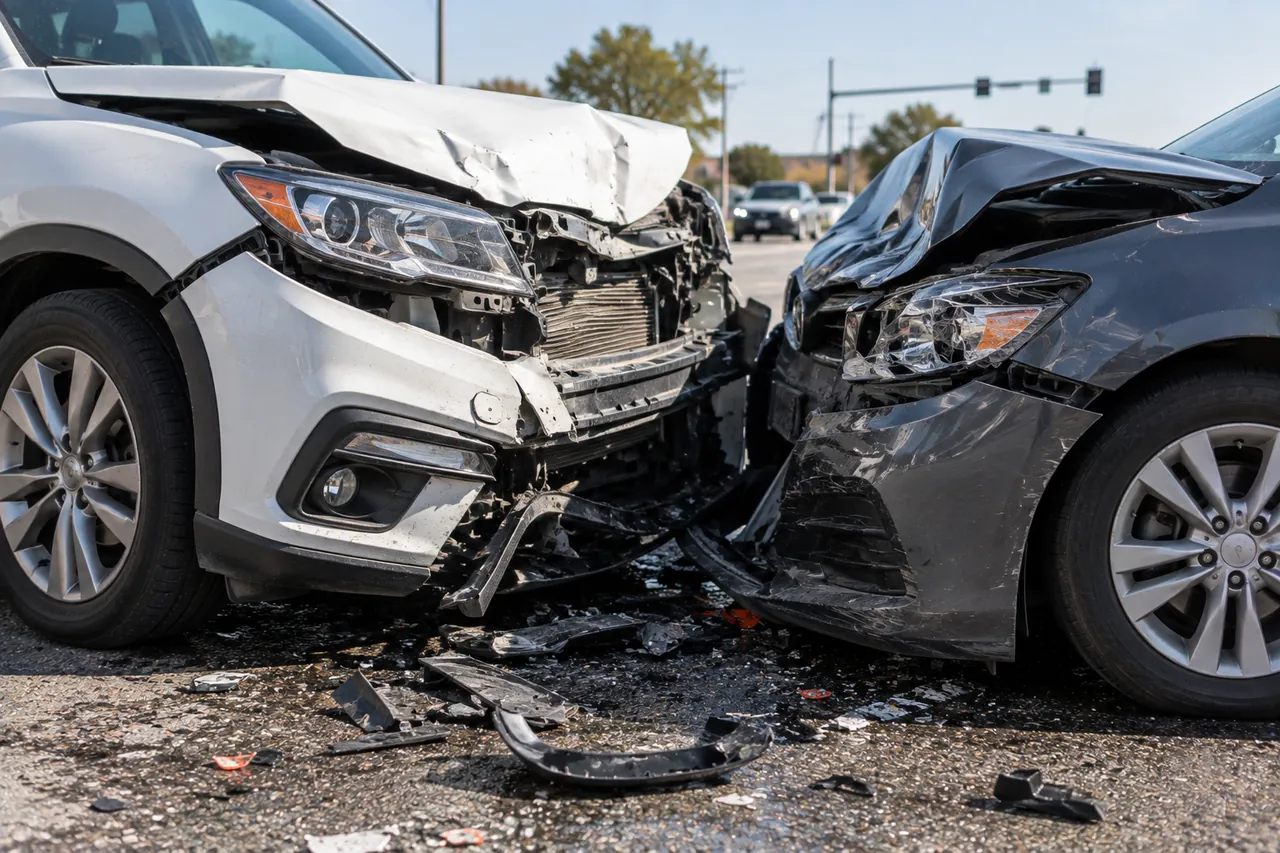
1
LOOK BEYOND THE SURFACE
Visible Damage
Document the obvious impact first: panels, lamps, bumper covers, glass, wheels, tires, leaks and warning indicators.
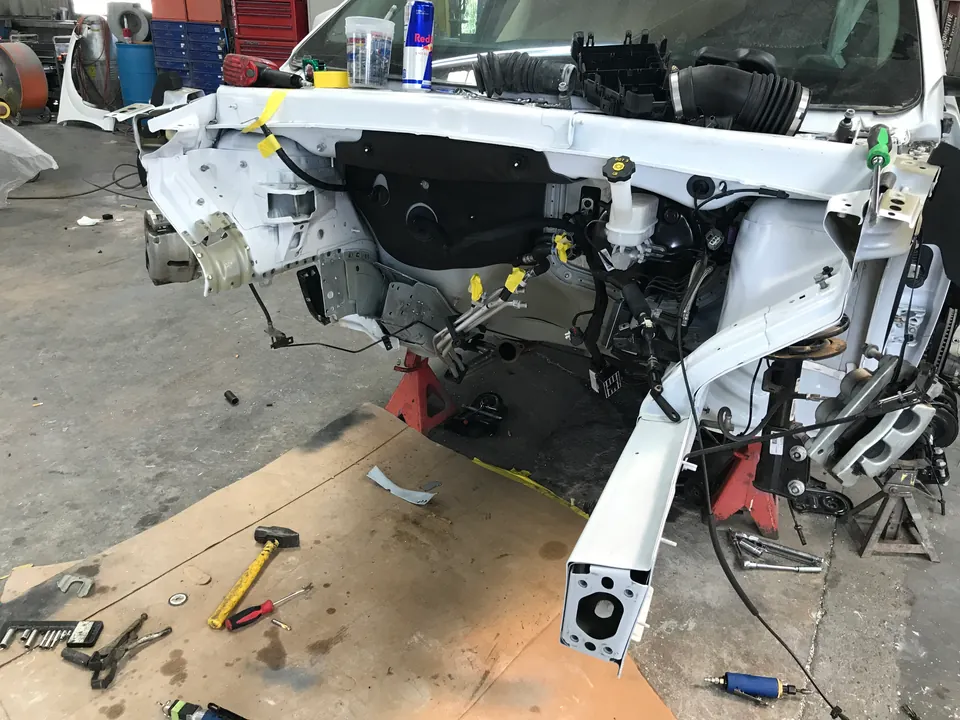
2
GAIN ACCESS
Hidden Areas
Teardown can expose reinforcement, mounts, wiring, adjacent panels and other conditions concealed by installed parts.
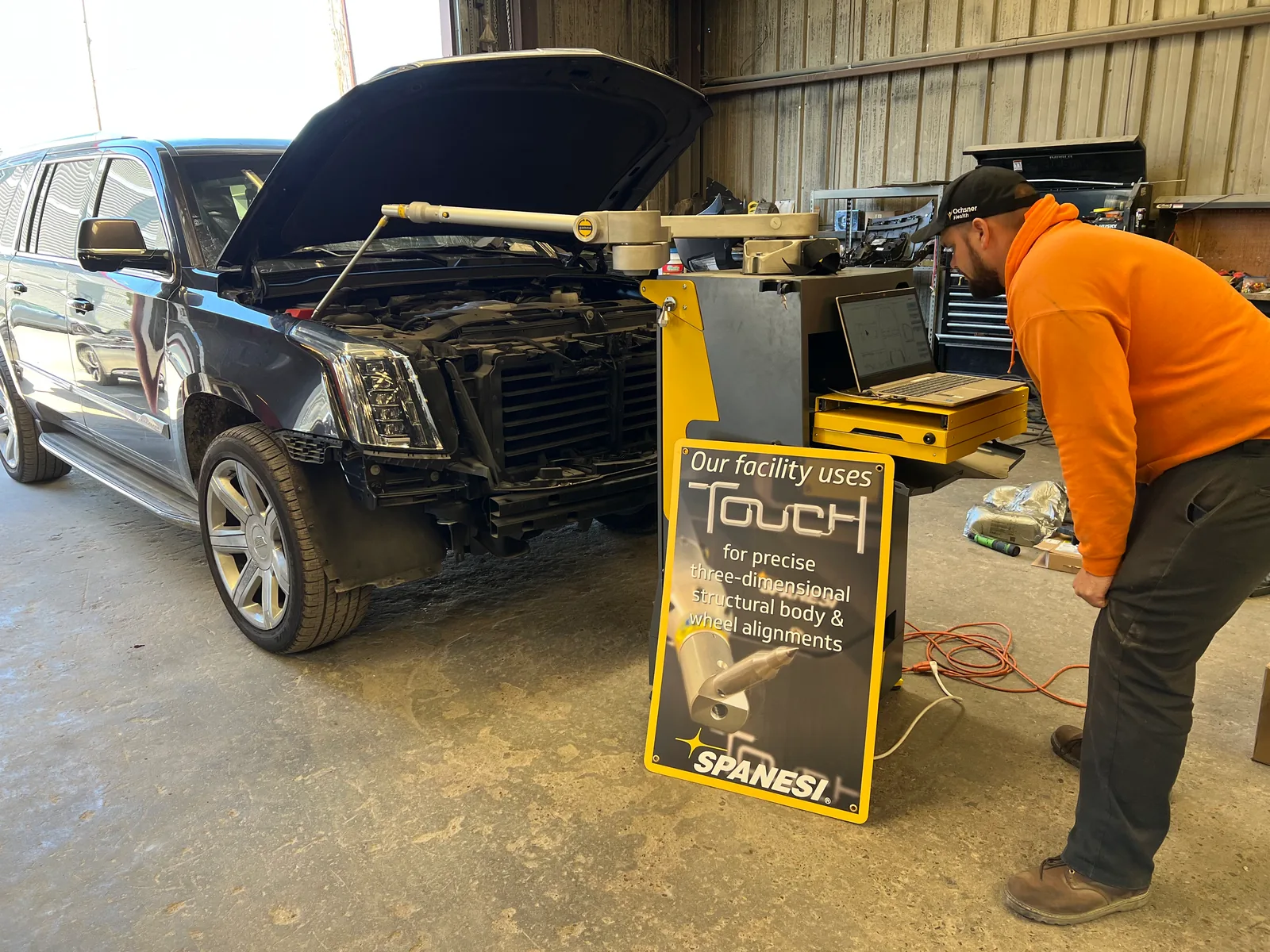
3
VERIFY
Objective Information
Measurements, diagnostic scans and OEM repair information answer questions that appearance alone cannot.
Illustration: Can a Bent Frame Be Repaired?

Generated educational illustration: bent component method assessment. Not an actual customer repair, diagnostic result, staff member or Boudreaux’s facility.
TECHNICAL REALITY
Different Checks Answer Different Questions
Modern collision repair can involve several different kinds of information. They’re related to industry repair standards, but they are not interchangeable.
WHY IT MATTERS
What This Means for Your Vehicle
A proper bent frame repair follows evidence. It does not assume hidden damage, and it does not assume the first photo tells the whole story.
A useful assessment should help answer:
- What collision damage is visible?
- Which areas need better access or closer inspection?
- Which questions need measurements or diagnostic information?
- What vehicle-specific repair information applies?
- What new findings change the repair plan and estimate?
A bend is a finding to evaluate, not a repair instruction
Start with the actual component name and its location. Everyday use of frame damage can describe a separate frame, an integrated body structure or a concern that has not yet been established by inspection. Ask the estimator to identify which part is affected before discussing whether it can be repaired.
The evaluation needs more than a picture of the shape. Material, the type and location of deformation, adjoining attachments and the applicable vehicle information can affect the permitted method. A proposal for another vehicle does not establish the method for yours, even if the exterior damage looks similar.
I-CAR’s repairability guidance distinguishes a bend from more severe permanent deformation and stresses the role of material strength. This is why an owner should ask what supports the specific repair-versus-replacement decision rather than requesting straightening solely because a component looks bent. See I-CAR’s bend and kink explanation for the underlying distinction.
Provide the vehicle identity and known earlier work in the affected area. Accurate history helps the assessment; a guess about the material or construction can confuse it. Keep your observations separate from the shop’s confirmed findings.
What a straightening proposal should explain
Ask which manufacturer information supports the operation on the identified component. Heat restrictions and material limitations are not interchangeable between vehicles. A general statement that a part can be pulled or heated does not establish permission to use that approach at the damaged location.
Ask how the proposed method relates to the condition of surrounding areas. The assessment should explain the relevant attachments and adjoining components rather than reducing the entire decision to one final dimension. A component’s position and its material condition answer different questions.
For a hypothetical comparison, two damaged rails may be described with the same everyday word bent while having different material and procedural requirements. One repair recommendation cannot be transferred to the other simply because the pictures resemble each other. This example explains the decision process; it is not a Boudreaux’s customer case.
If the method question is unresolved, ask what research or access will settle it and when the next update is expected. Keep that uncertainty visible in the repair discussion instead of treating a preliminary estimate as a final decision.
Review the decision and the later checks together
Request a plain-language explanation of the confirmed finding, proposed operation and relevant checks. If the proposal changes after inspection, keep the dated revision and the reason for the change. This helps you follow the repair without interpreting every technical instruction yourself.
A measurement report should identify the vehicle and stage it represents. An initial assessment and a later verification record are different parts of the sequence. Ask how dimensional information is considered alongside material and attachment inspection.
Repairability and an insurer’s total-loss decision also involve different questions. Ask the shop about the supported repair scope and the insurer about its claim evaluation. Do not infer either conclusion solely from the phrase frame damage or a general online example.
Contact the Boudreaux’s location handling the vehicle before arranging transport or pickup. Its current condition, disassembly and unresolved concerns can affect handling. A straight-looking exterior or one report is not your own driving clearance.
FREQUENTLY ASKED QUESTIONS