
BOUDREAUX’S COLLISION · REPAIR EDUCATION
Why the VIN Matters in Collision Repair
The vehicle identification number helps identify the vehicle and relevant model information. Correct identification supports parts and repair-information research, but it does not replace inspection of the installed equipment or damage.
Illustration: Why the VIN Matters in Collision Repair
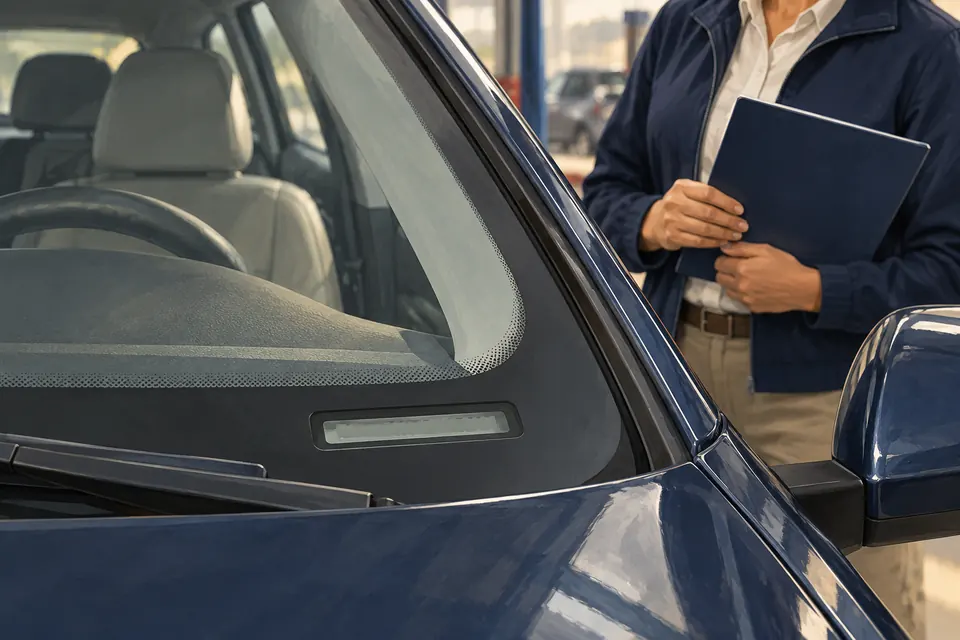
Generated educational illustration: vehicle identity and installed equipment. Not an actual customer repair, diagnostic result, staff member or Boudreaux’s facility.
Can the same model name require different parts or procedures?
The vehicle identification number helps identify the vehicle and relevant model information. Correct identification supports parts and repair-information research, but it does not replace inspection of the installed equipment or damage.
Similar vehicles can have different options or construction. The shop may need both the VIN and confirmation of the actual systems present. Share the VIN through the estimate process rather than posting personal vehicle documents publicly, and ask how it supports the repair plan.
How This Fits Into the Repair Plan
Use accurate vehicle identity for research while confirming the actual installed components and known changes. Keep identification, damage findings and completed-work evidence distinct.
Related Repair Guidance
Use the identifier to support actual vehicle identification
The VIN is a vehicle identification number that helps distinguish the actual vehicle from a broad make or model description. Ask how the team uses the relevant identity information for parts and repair-information questions. The number is identification context, not a diagnosis of collision damage.
NHTSA’s VIN information explains encoded vehicle identification. It does not establish every current fitted component or collision finding.
For modern standardized vehicles, the VIN is a seventeen-character identifier. Older or other vehicle situations can need specific identification discussion. Do not change an unclear character by guessing; ask how to provide an accurate view or verified information safely.
A VIN lookup can supply encoded vehicle information, but it should not be treated as proof of every current fitted component, modification or repair history. Share known changes and uncertainty so the assessment follows the actual vehicle as well as its identification.
Do not risk reaching into damaged areas or standing in traffic to obtain the number. Tell the shop if safe access is unavailable and ask which information can be provided for the current step.
Related reading: Why Similar Vehicles Can Need Different Repairs and OEM Position Statements vs Repair Procedures.
Connect identification to parts and procedures
Vehicle-specific repair information and supplied part compatibility can depend on more detail than an everyday model name. Ask what identity and configuration support the proposed component or operation. A similar-looking vehicle is not automatically an identical parts or procedure reference.
If a part source or configuration changes, keep the actual description with the estimate and ask how compatibility is established. The VIN alone does not explain the complete installed scope, attachments, protection, finish or relevant setup.
If the vehicle has known modifications or earlier replacements, disclose them. An identification record should not silently be treated as the current physical condition of every area. The actual component and applicable information still need assessment.
If identification leaves a question unresolved, ask which additional information settles it and when an update is expected. Keep the decision provisional rather than choosing a generic part or method solely because the broad model description seems close.
Provide the number in the right conversation
Ask the shop how to provide the VIN or related document for the actual request. Avoid placing full identifiers and private papers in public reviews, social comments or unrelated website reports. Useful vehicle identification does not require unnecessary public exposure.
If a submitted number is incorrect, contact the team and identify the request, then explain the correction clearly. Do not send unexplained duplicate versions without stating which information is current. Accurate identification matters before a proposal based on it is treated as final.
At handover, keep the final estimate and relevant records connected to the actual vehicle. Ask about any component or configuration change in the approved scope. A recognizable VIN on a document does not independently establish that every proposed operation was completed.
Boudreaux’s can discuss the actual vehicle and relevant information. Use the identifier only where needed for the repair conversation and keep observations of damage separate from identification data. The useful result is a supported vehicle-specific scope rather than a diagnosis inferred from the number.