
From the Boudreaux’s archive
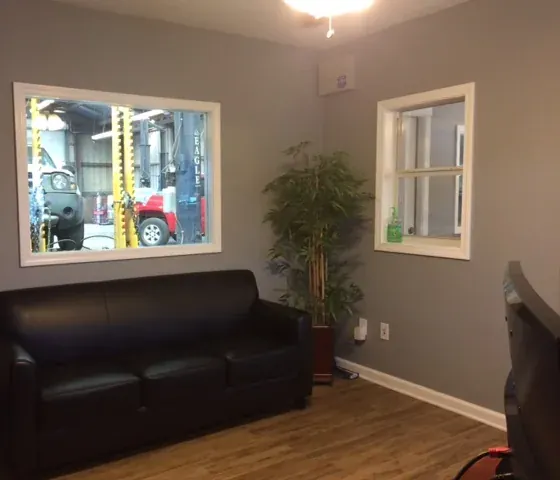
Owner-supplied waiting-area archive photo, cropped to exclude the surveillance display. Historical intake context only; it does not confirm current appearance, hours or receiving acceptance.
Is vehicle intake the same as the final damage assessment?
Intake establishes the vehicle, owner contact, visible condition and the agreed next step. It is an opportunity to describe symptoms, existing damage and any important access or transport concerns.
The shop may gather photos, claim documents and authorization information. Inspection and teardown can then develop the repair plan. Ask what is being authorized now, how updates will be provided and which items are still unknown rather than assuming intake completes the assessment.
How This Fits Into the Repair Plan
Connect the actual vehicle and current condition to the agreed intake purpose. Identify the contact, authorization for the next assessment and any information still needed.
Related Repair Guidance
Identify the vehicle and agreed arrival purpose
At intake, the receiving conversation should connect the actual vehicle to the arranged purpose and current request or estimate. Confirm the chosen shop and explain whether the arrival is for assessment, an agreed repair stage or another discussion.
Tell the team about any condition that changed since the arrangement. A new warning, leak, closure concern or movement issue should not remain hidden behind an earlier description. State what is observed and what is uncertain.
If another person or tow operator delivers the vehicle, clarify who provides the relevant information and who the shop should contact. Keep the vehicle identity, destination and receiving instructions consistent so the arrival does not depend on assumptions.
Receiving acceptance is separate from technical scope and repair authorization. Ask which actual assessment or work is agreed and what remains provisional. A handover of keys does not explain every component or future operation by itself.
Related reading: What Happens When Your Vehicle Arrives at the Body Shop? and Preparing a Vehicle for Repair Drop-Off.
Keep condition and history useful for assessment
Describe the impact area and relevant earlier repairs or conditions. Distinguish what existed before the event from new observations. This helps the shop follow the actual history without automatically treating every known issue as collision-caused.
Share known modifications or equipment that may affect moving or assessing the vehicle. Ask what information is needed for the current step. Do not assume a generic model description establishes every present-day configuration.
Remove belongings only where access is safe and discuss inaccessible items with the team. Do not force damaged closures, remove trim or disconnect unfamiliar systems as intake preparation. Supported access should follow the actual assessment plan.
If photographs or documents are used, keep their purpose clear. Images provide visible context; an estimate describes proposed work; a claim identifier helps identify the matter. None independently establishes every diagnosis, authorization or payment decision.
Leave the next stage and communication clear
Ask which findings are already established and which questions need access, measurement or research. Clarify the purpose and authorization for that next step and when an update is expected. A provisional scope should remain understandable until the supported decision is established.
When the plan changes, request the dated revision and reason. Ask whether it changes a component, method, related operation, verification or responsibility. Keep the explanation with the estimate rather than relying on a remembered total.
Where insurance is involved, separate the technical proposal from claim review and payment arrangements. Ask the shop about supported work and the insurer about its actual decision. Confirm any unresolved authorization before a changed operation proceeds.
Keep the receiving arrangement, current documents and contact information together. Boudreaux’s can discuss the actual vehicle and next stage. Confirm the actual intake arrangement, applicable terms and current repair timing with the chosen team.