
BOUDREAUX’S COLLISION · REPAIR EDUCATION
Preparing a Vehicle History for Repair Intake
Recent repairs, known faults, modifications and earlier collision work can be relevant to assessment. A useful history distinguishes known conditions from new symptoms. It does not require the owner to diagnose how those conditions relate to the impact.
From the Boudreaux’s archive
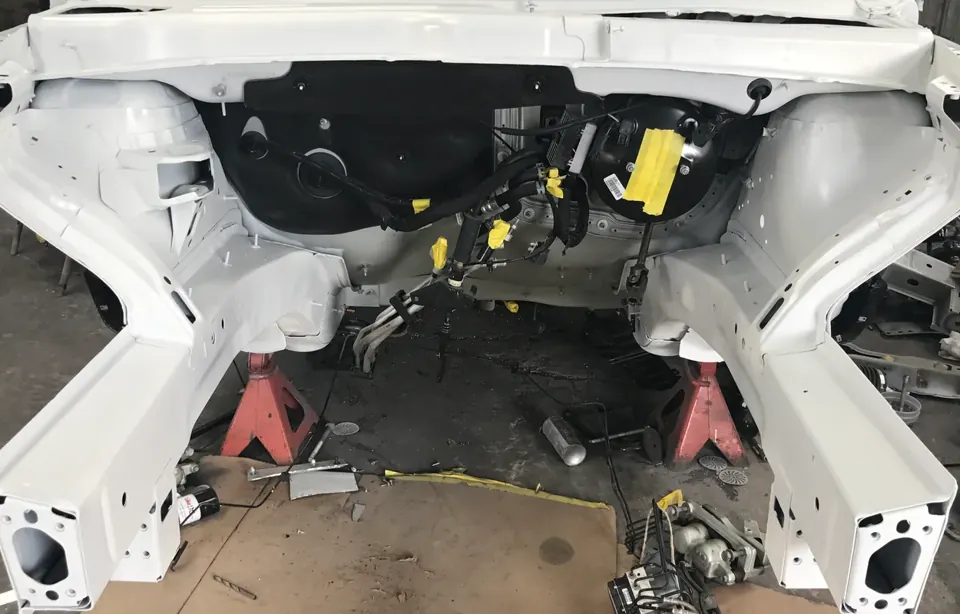
Owner-supplied GMC project archive view with front components removed. It supplies prior-work and access context for the history conversation; it does not establish the complete history, earlier repair quality or cause of a concern on another vehicle.
What to Clarify for Your Vehicle
Share the facts you know and identify uncertainty. Include records when available, but do not delay urgent safety arrangements to collect paperwork. The shop can explain which history affects the next assessment step and what additional information is needed.
Bring the history that affects today’s inspection
Useful intake history includes previous repairs in the affected area, known warning messages, recent service and existing symptoms. The shop needs to understand the vehicle that arrived, not simply its make and model.
Separate facts from assumptions. A prior invoice or a dated photograph can support the history. Saying a warning began last month is more useful than naming a part you believe is faulty without a diagnosis.
Organize the sequence before drop-off
Write a short timeline: condition before the collision, what happened and what changed afterward. Include whether the vehicle was driven, transported or jump-started after the event. Share relevant records through the shop’s agreed intake process.
Do not omit an existing concern because you think it is unrelated. The shop can assess relevance. Clear history helps avoid attributing everything to the impact or overlooking a new symptom because another issue already existed.
Example: a warning existed before the collision
An owner had an intermittent warning before the impact but did not mention it because the exterior damage seemed unrelated. The repairer later finds a fault and needs that history to understand its timing. Sharing the earlier symptom does not establish its cause; it prevents an incomplete starting picture.
Bring any relevant prior report or service record and describe when the warning first appeared. Distinguish the old concern from a new symptom noticed after the collision. If the same message changed in frequency, explain that too.
Ask how the findings affect the proposed scope and whether additional work requires a separate decision. Keep that explanation with the intake history. This example shows why accurate history matters without assuming that every recorded fault is either collision-related or unrelated.
Related Guidance
Tell the repairer what changed and what was already present
A useful vehicle history distinguishes the new collision observations from known earlier symptoms or repairs. Tell the shop about an existing warning, noise, repaired panel or prior glass installation, then describe any change noticed after the event. This gives the repairer context without asking you to decide the cause.
Use approximate timing honestly. If you do not know when a condition began, say so. A statement that you first noticed it after the accident is different from proof that the accident caused it. Clear observations help the assessment; guessed dates and diagnoses can make the record harder to understand.
Also identify previous work near the impact area where you know about it. A receipt or repair description can be useful, but a complete lifetime maintenance file is not automatically necessary. Ask which records are relevant to the specific assessment.
Prepare a concise intake history instead of a diagnosis
Organize the history by area and symptom: the door previously repaired, the warning that existed earlier, or the wheel concern that changed after impact. Include the event date and the vehicle’s current movement or access limitations. Keep the repair arrangement separate from your account of the vehicle’s condition.
Describe known aftermarket equipment or changes as well. The current vehicle may differ from an original parts illustration, and the repairer needs an accurate description when assessing the affected area. Disclosure does not automatically establish that a modification or previous repair caused the new problem.
Do not operate a damaged system or take an extra drive to compare it with your memory of the earlier condition. Tell the shop what you already observed and let the repairer choose the appropriate inspection or diagnostic process for that vehicle.
Keep history records available as the repair plan develops
After assessment, ask how relevant history was considered and which finding supports the proposed operation. The history is context; the repair plan should still explain the assessed damage or applicable requirement. If a concern remains uncertain, ask what further assessment is needed before assuming the earlier repair resolves the explanation.
Keep the intake summary and relevant older records with the current estimate. If another contact needs the history, share the specific material requested through a confirmed channel. Unrelated personal documents and account passwords do not belong in a general repair request.
For Boudreaux’s New Orleans or Luling, identify the chosen facility and provide a reachable contact method when arranging intake. A website request starts communication; the receiving shop must confirm the actual visit or handoff. A clear history supports the assessment, while safe transport and scheduling still need their own confirmed arrangements.