
From the Boudreaux’s archive
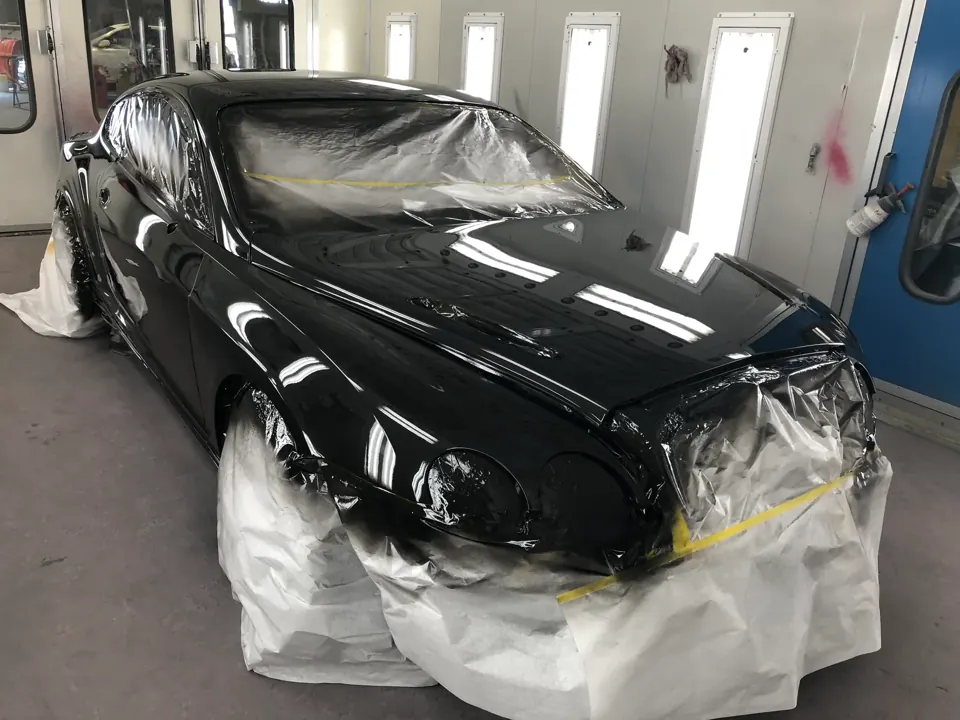
Owner-supplied masked-vehicle archive view. A photograph does not establish cure state or a universal washing, waxing or coating interval; request care instructions for the actual products and completed repair.
How long should I wait before waxing fresh paint?
Fresh-paint care depends on the coating system and the instructions supplied with the repair. There is no single waiting period for every paint system, wax, coating or wash process.
Ask the shop for care instructions before using abrasive cleaners, automatic washes, waxes or ceramic products. Report bird droppings or other contamination promptly and ask how to remove them safely. Do not substitute an online rule for the guidance on the finish actually applied.
How This Fits Into the Repair Plan
Keep the refinished-panel identity and actual care instructions together. Clarify the planned product, activity and timing with the repairing team before washing, polishing, covering or adding another coating.
Related Repair Guidance
Use instructions for the actual finish
Ask the shop what care instructions apply to the completed refinish work on your vehicle. Product systems and the operation can differ, so an online waiting period should not be assumed to establish the correct timing for every repair.
Identify which panels were refinished and whether any special finish or treatment is involved. A repaired exterior can include different surfaces, and advice for one finish should not be transferred to another without clarification. Keep the specific instructions with the final estimate.
Ask about the activities you expect to do: washing, waxing, polishing, covering the vehicle or applying another product. Explain the product if you already have one. The useful question is whether it fits the actual care guidance rather than assuming that a familiar household or detailing product is appropriate.
Do not improvise a test on a concealed corner to decide whether the finish has cured enough for a product. A mark created during that test does not answer every care question. Contact the shop for clarification before changing the surface.
Related reading: Paint Defects After Repair: What to Discuss With the Shop and Basecoat and Clearcoat: Different Layers, Different Jobs.
Plan ordinary use around clear guidance
Ask the repairing team how to respond to contamination or accidental contact on the newly finished area. Clarify cleaning, polishing and product timing for the actual finish system rather than assuming those activities share one instruction.
If a cover, adhesive item or protective film is planned, discuss it before application. Ask whether the proposed product and timing are appropriate for the finish. A product advertisement does not establish compatibility with the actual refinish work.
If another business will detail the vehicle, give it the relevant instructions and panel information. Do not assume that the person performing the next service knows which surfaces were refinished or what guidance was supplied at pickup.
Where an instruction is unclear, ask for an explanation before acting. Washing guidance, permission to polish and suitability of an additional coating are different questions. Treating them as one general statement that the paint is finished can lead to an avoidable misunderstanding.
Report a concern before trying to correct it
If a new mark, texture change, peeling area or altered gloss appears, record the location and timing and contact the repairing shop. Explain any product or activity that preceded it. That history supports assessment without establishing the cause or responsibility by itself.
Do not repeatedly apply different products to see which hides the concern. Altering the surface can make the original observation harder to assess. A safe photograph and a clear description are more useful for the initial follow-up conversation.
Ask about applicable follow-up terms for the actual work. Clarify the actual terms and product guidance with the repairing team. Keep the final scope, care instructions and any agreed follow-up arrangement together.
Boudreaux’s New Orleans and Luling teams can discuss the completed work and relevant guidance. Use the vehicle identity, repair date and panel when asking a care question. The appropriate next step follows the actual finish, not an assumed rule from a different repair or product system.
Questions About Caring for Fresh Collision-Repair Paint
Technical Reference
PPG: user guides and finish-care resources. Confirm the applicable vehicle and product-system guidance with the repairing team. This reference does not identify Boudreaux’s paint brand, warranty or a universal care interval.