
QUICK ANSWER
How Can Structural Damage Affect ADAS?
Advanced driver-assistance systems use vehicle-specific cameras, radar or other sensors to support certain driver functions. Structural geometry and mounting points can matter because some systems depend on precise sensor position and reference values.
Illustration: Structural Damage and ADAS

Generated educational illustration: sensor mount physical reference inspection. Not an actual customer repair, diagnostic result, staff member or Boudreaux’s facility.
HOW COLLISION DAMAGE OR REPAIR CAN AFFECT IT
Why This Matters After a Collision
A collision or repair can move body reference points, brackets, glass or components that establish a sensor’s position. A scan can reveal electronic information, while measurement and calibration address different questions when the vehicle maker requires them.
- Inspect the impact area and sensor mounts on the equipped vehicle.
- Compare relevant geometry with vehicle-specific reference information.
- Follow the maker’s scan and calibration requirements for the actual operations performed.
TECHNICAL DISTINCTIONS
Different Checks Answer Different Questions
Modern collision repair can involve several related but distinct kinds of work.
MANUFACTURER PROCEDURE CONTEXT
Why Vehicle-Specific Procedures Matter
Repair steps for systems like this are meant to follow the vehicle manufacturer’s own repair information, not a generic shortcut.
MYTHS & MISUNDERSTANDINGS
Common Misunderstandings
- Myth: If there’s no warning light, the system is fine.
- The absence of a warning indicator does not by itself verify every system affected by a collision.
- Myth: A diagnostic scan is the same as calibration.
- A scan reads electronic information; calibration establishes or verifies a sensor reference or aim according to the vehicle-specific procedure. One does not automatically replace the other.
Physical references and electronic information answer different questions
A sensor’s electronic information and its physical position are separate parts of the assessment. A component can communicate while its mounting area still needs inspection. Ask which installed system is involved and what evidence establishes the relevant condition.
Body reference dimensions, a bracket’s condition and a sensor setup requirement are also distinct questions. The vehicle’s applicable information determines what needs evaluation for the work. An exterior looking orderly does not independently establish every relevant reference.
Tell the shop about equipment changes, prior repairs in the area and new warning history. Provide the vehicle identity and distinguish earlier concerns from changes after the impact. This gives the assessment context without turning an observation into a diagnosis.
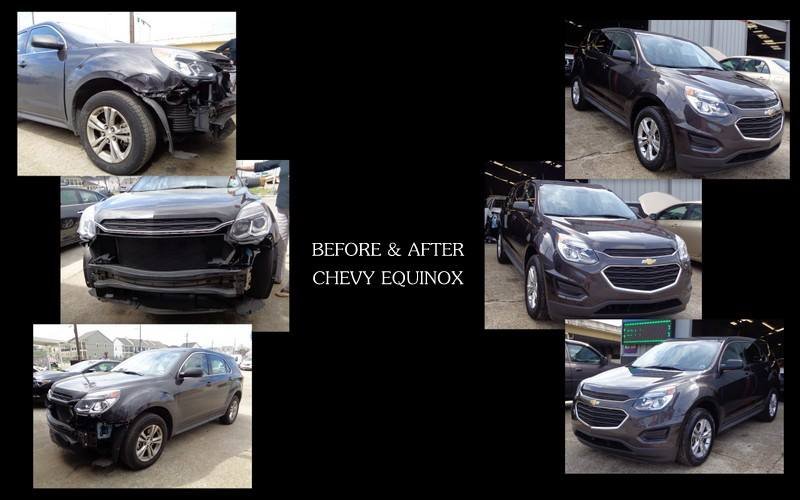
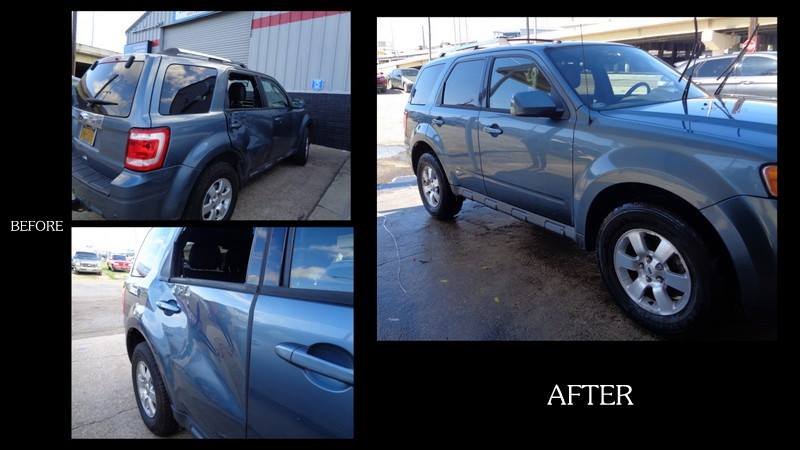
For a hypothetical sensor-area repair, a photograph might identify the impact while later inspection addresses the mount and a separate procedure addresses setup. Those stages provide different information. The example does not mean every structural operation on every vehicle triggers the same calibration.
Connect the operation with the applicable installation requirement
Ask which damage or repair operation makes a system check or calibration relevant. The answer should identify the actual vehicle, affected system and applicable requirement. A generic statement about modern sensors is not a complete explanation of the proposed line.
I-CAR’s installation explanation discusses why work on a sensor’s housing, bracket or mounting location can matter when the applicable information requires a check or calibration after installation. The procedure for the identified system controls the decision.
Ask which physical work or relevant checks must be completed before the setup proceeds. The sequence can matter to the required reference conditions. Do not assume an electronic operation replaces unresolved physical assessment or that normal driving completes every setup.
If another provider is involved, clarify who coordinates the operation, how the vehicle is handled and how completion information enters the repair record. Confirm the arrangements for your job rather than infer identical specialist capability at both Boudreaux’s locations.
Keep the completion evidence connected to the original concerns
Ask what each supplied record establishes and when it was obtained. Structural measurements, scan information, alignment data and calibration results can concern different operations and stages. Their names and dates make the sequence understandable.
If a task could not be completed, ask what prevented completion, what remains unresolved and what follows. An attempt is not the same as a completed result. Discuss vehicle status and handling directly with the shop before assuming the record settles the concern.
At pickup, refer to the warning or other change you reported at intake. Ask how it was investigated and how the final plan and relevant checks relate to it. A photograph of the completed exterior cannot independently document the sensor’s setup.
Afterward, record new observations and contact the repairing location. Avoid deliberately testing driver-assistance behavior in traffic or clearing warnings to see what happens. Ask about appropriate handling and the next assessment when operation is affected.
New Orleans has the confirmed Boudreaux’s measuring, structural and alignment capabilities. Contact the location handling your vehicle to discuss the actual work and any specialist arrangements. Your estimate request starts the conversation but does not confirm universal calibration coverage or a repair appointment.
FREQUENTLY ASKED QUESTIONS
Structural Geometry and ADAS FAQs
Related Repair Guidance
Continue with ADAS calibration, explore Repair Education, or start an estimate request.
Requirements vary by vehicle and damage. An inspection and the vehicle manufacturer’s procedures determine which repair and calibration operations apply.