
BOUDREAUX’S COLLISION · REPAIR EDUCATION
Scan Tool Coverage and Vehicle Systems
A scan tool communicates with supported electronic systems; coverage can vary by vehicle, module and function. A report from one tool does not automatically describe every system in the vehicle. Communication problems also require interpretation rather than an assumption that an unavailable module is undamaged.
Illustration: Scan Tool Coverage and Vehicle Systems
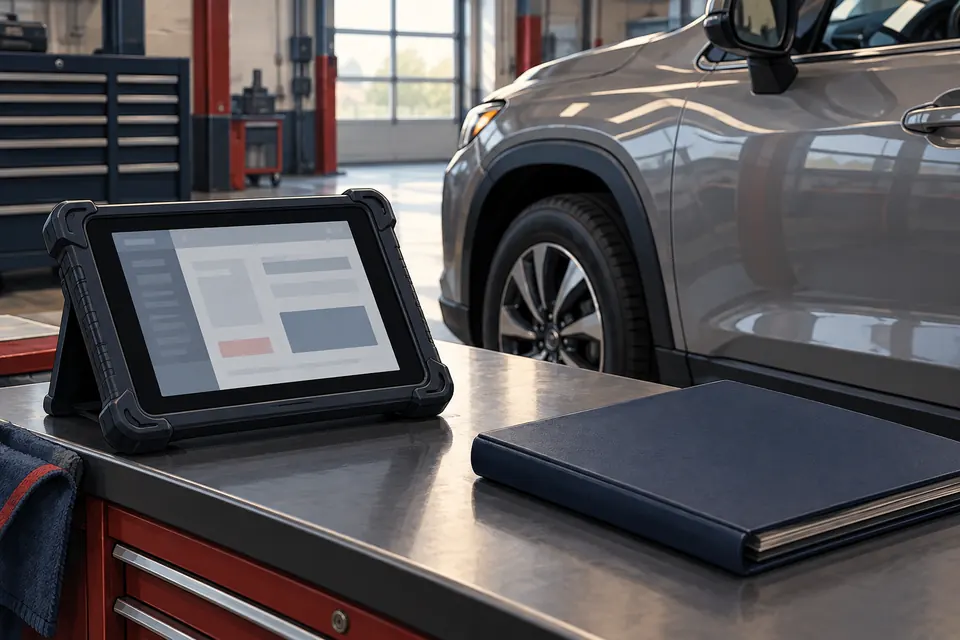
Generated educational illustration: scan coverage and system scope. Not an actual customer repair, diagnostic result, staff member or Boudreaux’s facility.
What to Clarify for Your Vehicle
Ask which systems were accessed and whether any required functions need a different tool or procedure. New Orleans has confirmed OPUS and Autel diagnostic resources, but this does not establish universal coverage for every model. Keep tool capability separate from the required diagnostic task.
Coverage is more than connecting a scanner
A diagnostic tool must communicate with the relevant vehicle systems and support the functions needed for the job. A tool that reads an engine fault does not necessarily access every body, restraint, driver-assistance or other module. Coverage depends on the vehicle and the tool’s capabilities.
Successful connection is therefore only the beginning. The report should identify what was accessed, which systems reported faults and any communication limitations. An inaccessible module should not be treated as a system that passed its checks.
A scan result has a defined scope
Scanning retrieves information from systems that the tool can access. It does not inspect physical damage, prove that every sensor is mounted correctly or establish that a calibration has been completed. Those tasks may require separate inspections, procedures or equipment.
For example, a damaged camera bracket may require physical assessment even if the system does not report a fault at that moment. Conversely, a recorded fault can require diagnosis before its cause is known. Neither a clean scan nor a long code list should stand alone as the repair conclusion.
What to look for in the record
Ask whether the report identifies the vehicle, date and systems checked, and whether limitations or unsuccessful communication were documented. If another tool or provider was needed, the final records should clarify the work actually performed.
Keep scanning, diagnosis, programming and calibration distinct when reviewing an estimate. They can be related, but one description should not be assumed to include all four. A clear scope helps explain both the work and the evidence supporting completion.
Further repair information
I-CAR: collision-repair diagnostics process
General background and product examples do not replace the applicable instructions for the actual vehicle, material and operation.
Related Guidance
Keep report limitations visible in the repair explanation
Ask how unavailable systems, communication concerns or other limits are recorded and what remains before the relevant repair stage can be reviewed. A summary that says scanned needs context if a required system was not accessed. Keep the report date, vehicle identification and provider’s explanation together so later discussions use the actual scope.
At delivery, retain relevant diagnostic and other completion records without treating a scan as a substitute for every physical or functional assessment. If a warning appears later, give its actual wording and timing and mention whether it was present before the collision if known. Do not clear codes or reset settings to test whether the message disappears. The provider should review the observation and applicable information. This owner guide does not supply diagnostic instructions, a universal tool recommendation or online driving clearance.