
BOUDREAUX’S COLLISION · REPAIR EDUCATION
Parts Arrival vs Repair Completion
Arrival of a required part does not necessarily mean the vehicle is ready for delivery. Condition checks, installation, refinishing, reassembly and applicable verification may remain. The repair sequence depends on which part arrived and the current stage.
From the Boudreaux’s archive
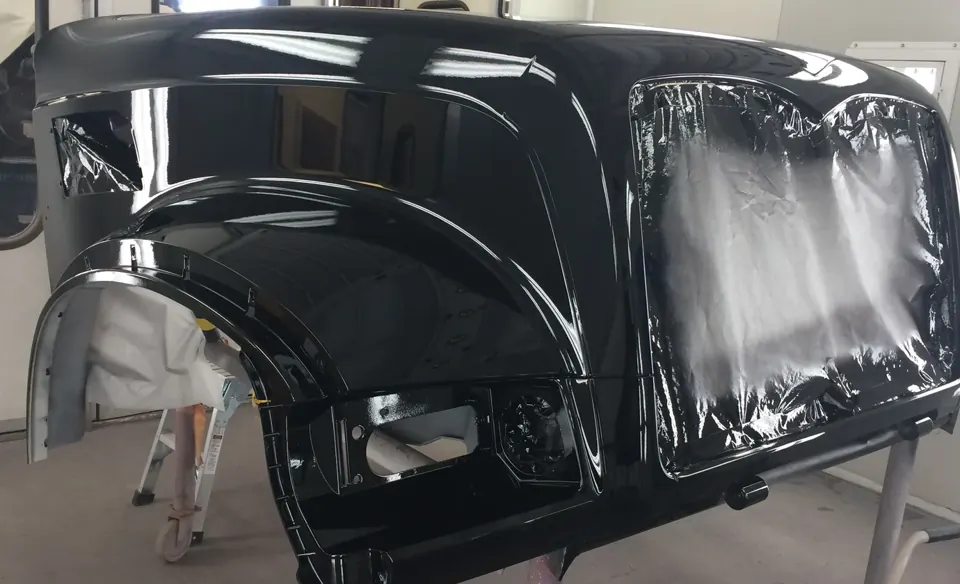
Owner-supplied archive detail of detached exterior components. It supplies staging and installation-scope context, not a shipping receipt, exact part identification, acceptance inspection, fitment approval or completed repair.
What to Clarify for Your Vehicle
Ask what the part enables and what work follows it. If the item is incorrect or damaged, the timing discussion may change again. Treat parts status as one useful update rather than a guaranteed pickup date.
An arrived part may still need to be checked
Parts arrival removes one possible dependency, but the item still needs to be identified for the vehicle and assessed as part of the repair process. Related attachments, fit, access and remaining operations may also matter.
A delivery notice is therefore not the same as repair completion. The vehicle may still need installation, refinishing, reassembly or required electronic and functional work.
Ask what remains after the delivery
If timing is important, ask which operation the part enables and what stages remain. If the item is incorrect or incomplete, request an explanation of the revised dependency rather than assuming the shop can install it immediately.
Wait for a confirmed pickup arrangement before traveling. Keep the latest update and clarify whether the vehicle’s work and payment arrangements are both ready. Planning around the actual remaining tasks is more reliable than estimating completion solely from a shipping date.
Example: a part arrives but another requirement remains
A replacement component is delivered and the owner expects pickup that afternoon. The item may still need checking, installation and related work. Its arrival establishes one logistics event, not completion of the job.
Ask which stage the delivery enables and what remains afterward. If another attachment, refinishing step or procedure is needed, the shop can explain that dependency. If the delivered item is incorrect, identify the revised plan rather than assuming it can be fitted temporarily.
Wait for confirmation of the pickup arrangement before traveling. Keep the latest update with the repair records. This example explains why a shipping notification and a repair-completion message should not be interpreted as equivalent, without suggesting that every part delivery causes a delay.
Related Guidance
Arrival is one milestone within the repair plan
A delivered part can move the repair forward, but it does not establish that the part has been assessed, installed or that related work is finished. The repairer may still need to confirm identification, condition and the applicable installation scope. Ask which stage is actually complete when an update says the part arrived.
A part can also be one dependency among several. Nearby repairs, refinishing, reassembly or an applicable system check may still need to follow. The sequence depends on the actual vehicle and plan; there is no universal period between a delivery notification and a ready-for-pickup message.
Keep the parts update distinct from a completion projection. If the shop provides an expected next stage, record it as such. An owner should not turn an arrival date into a guaranteed collection time without a separate confirmation.
Ask whether the received part matches the current proposal
A repair plan can change part identification, category or assembly scope as assessment develops. Ask whether the item received is the part being used on the current version and whether its condition or fitment creates another question. A delivery label alone does not establish that the intended repair configuration has been confirmed.
If an issue is found, ask what it is and which next step the shop proposes. A wrong identification, shipping damage and an additional vehicle finding are different reasons for a revised arrangement. The explanation should identify the actual dependency rather than treating every parts-related change as hidden collision damage.
For a claim or pricing question, use the same current part line and estimate version. The shop explains the repair proposal; the insurer explains its response to that proposal. Keep those conversations separate from the supplier’s delivery milestone.
Confirm the next operation before planning collection
Ask which work follows receipt and what remains before release. If refinishing, installation or another required check is still pending, ask when the next update is expected. A simple parts-arrived message is useful, but it is not the complete vehicle status.
Before pickup, confirm the completed operations, any unresolved concern and the actual collection arrangement. Review the final invoice and ask about a part description you do not understand. Retain the completed part record rather than relying only on an early order confirmation.
Boudreaux’s New Orleans and Luling facilities handle receiving and collection separately. Identify the shop that holds the vehicle when discussing the next stage. If transport or another person is involved in collection, confirm those arrangements with the receiving contact instead of acting on an assumed completion time derived from part arrival.