
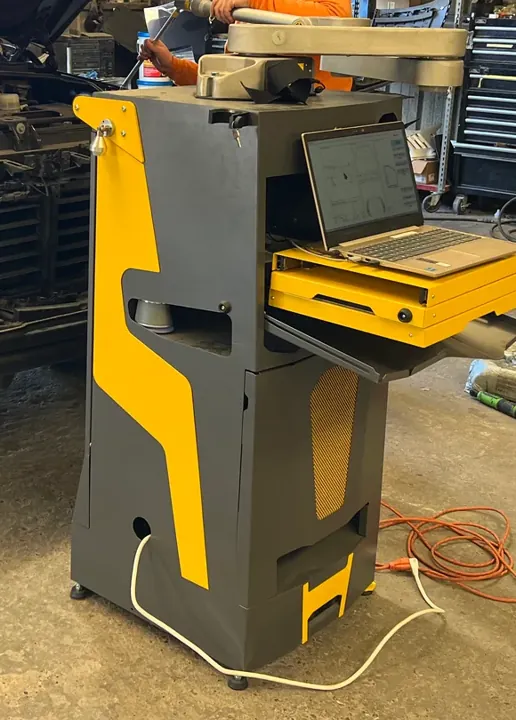
The owner has confirmed Spanesi Touch 3D measuring and structural equipment at the New Orleans operation. Call 504-309-3092 to discuss the vehicle and required operation before arranging transport. The hero is a generated illustration of general concepts. The archive equipment photograph below is genuine, but does not document a dimensional result for your vehicle. Do not infer the same measuring inventory at Luling. Owner-supplied archive detail of Touch measuring equipment. It shows the cart, measuring arm and computer context, not a readable dimensional report, vehicle finding or completed repair verification. THE SHORT ANSWER Collision damage is not always limited to the panels that show dents or paint damage. An impact can affect frame rails, aprons, suspension mounting points, floor structures, pillars and other areas that help the vehicle hold its intended shape. When applicable, a Spanesi measuring system can help a technician check selected reference points against vehicle-specific information or approved measuring data. The result is not a magic pass-or-fail certificate. It is documented information that helps the repair team explain what was found and what the vehicle may need next. Selected points are checked against the applicable vehicle information when available. Findings can help guide pulling, straightening, replacement, sectioning or further teardown. Measurement can reveal concerns that exterior photos and a first walk-around cannot confirm.Confirmed New Orleans Measuring Resources
From the Boudreaux’s archive
Why structural measuring matters after a collision
Reference points
Repair planning
Hidden damage
HOW IT FITS THE REPAIR PROCESS
Measuring is one step in a documented repair plan
- Initial inspection: The visible damage, impact direction, drivability concerns, warning lights and obvious gaps are documented.
- Access and setup: The vehicle may need to be secured, lifted or partially disassembled so the relevant reference points can be reached.
- Point-to-point checks: Selected structural points are measured and compared with the applicable vehicle information when available.
- Repair planning: The findings help guide decisions about pulling, straightening, sectioning, replacing components or pursuing additional inspection.
- Verification: The repair plan may include remeasurement, weld and corrosion-protection requirements, scanning, ADAS calibration, alignment and final quality checks.
A first estimate is a starting point. Teardown and measurement can reveal additional operations that were not visible before the vehicle was opened up.
WHAT MAY BE REVIEWED
Structural areas that can matter after impact
The exact inspection depends on the vehicle, impact direction, damage pattern, repair information and what the technician can access. Structural measuring may be part of a larger inspection that considers:
Frame rails
Front, rear and longitudinal structures that help the vehicle maintain its intended shape.
Aprons and pillars
Upper-body, pillar and floor relationships that can affect fit, strength and repair planning.
Suspension points
Mounting areas and reference relationships that can affect alignment and vehicle behavior.
Joining and protection
Welds, joining methods, replacement decisions and corrosion protection must follow applicable repair information.
Technology checks
Scanning, steering-angle resets, alignment and ADAS calibration may be part of the complete repair plan.
Measuring does not replace teardown, parts inspection, OEM repair information or final quality checks. It gives the repair conversation better information.
OWNER QUESTIONS
What to ask about your vehicle
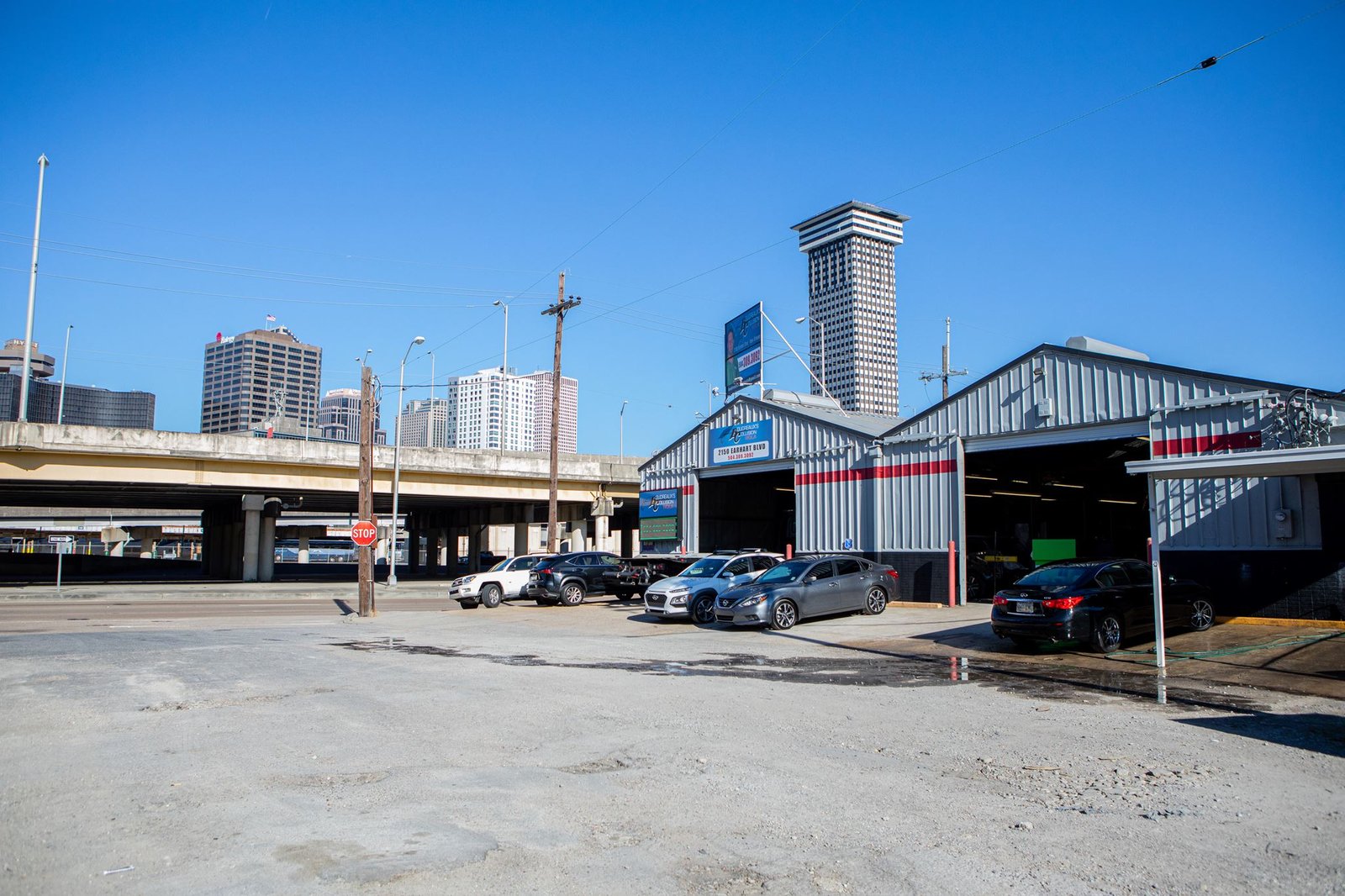
Have questions about the next step? Visit the Boudreaux’s Collision location that works best for you and ask the repair team what is visible, what needs further inspection and what is documented.
A measurement record needs the actual vehicle, relevant reference information and stage of work identified. Ask whether the result concerns initial assessment, planning or completed verification. These stages can provide different information and should not be silently treated as identical. Ask what relevant points or areas were assessed and what the findings establish. A report is more useful with that explanation than as an isolated set of values. The number of printed measurements alone does not describe the complete supported scope. Related reading: How Parts Availability Changes Repair Timing and Structural & Frame Repair. Boudreaux’s uses OEM parts for structural and suspension components. Ask which identified lines apply and clarify any separate claim review or payment responsibility. For general product context, see Spanesi’s Touch information. Product models and optional accessories do not establish every item installed at a particular shop. Spanesi measuring capability supports dimensional assessment, while component condition and permitted repair methods remain separate questions. Ask which material, damage findings and applicable vehicle information support repair or replacement of the identified part. A wheel-alignment result, structural measurement and diagnostic scan can each support different questions. Ask how the relevant records connect to the actual plan. One successful result should not be expanded into universal proof of every physical and electronic requirement. If access or measurement changes the proposal, request the dated revision and reason. Ask whether it changes a component, reference-area operation, related work or verification. Keep the explanation with the current estimate. At pickup, ask which relevant measuring and repair operations were completed and which records are available. Discuss any remaining limitation or concern with the New Orleans team. A facility photograph or equipment name cannot independently explain every operation. For a later concern, record the circumstances and contact Boudreaux’s before adjustments or deliberate testing. Use the actual vehicle and repair record so the next assessment follows the completed scope rather than a generic measurement label. COMMON QUESTIONSRead the measurement according to its purpose
Keep dimensions separate from repairability
Connect the final record to the completed work
Frequently asked questions about Spanesi structural measuring
More Answers in This Repair Topic