
BOUDREAUX’S COLLISION · REPAIR EDUCATION
Removing Personal Belongings Before Drop-Off
Preparing for drop-off includes discussing keys, valuables, personal items and items that affect access. Removing belongings can reduce confusion and make the intended work areas easier to access. The shop should confirm what needs to remain with the vehicle.
Illustration: Removing Personal Belongings Before Drop-Off
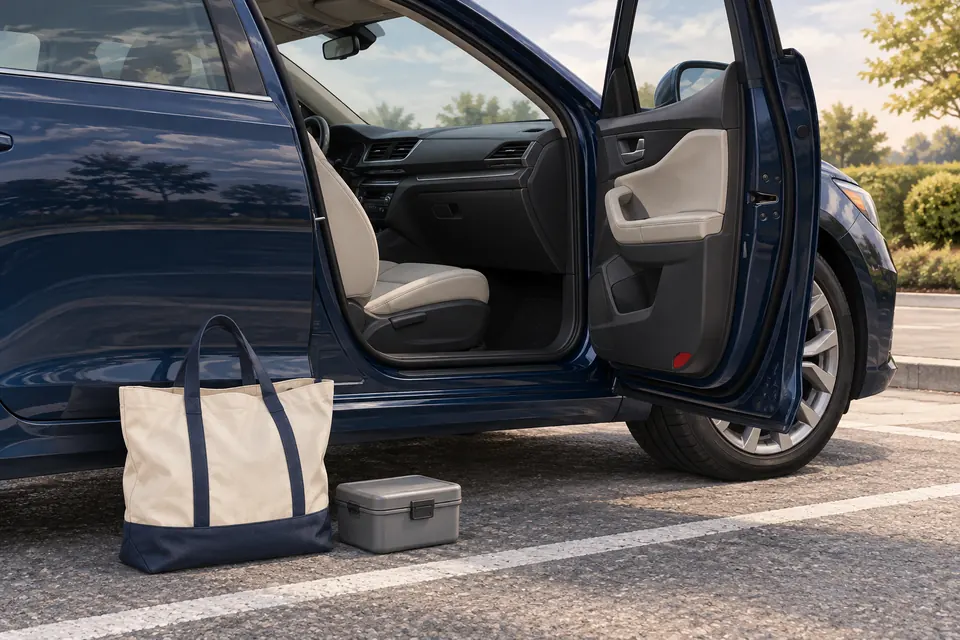
Generated educational illustration: belongings preparation before dropoff. Not an actual customer repair, diagnostic result, staff member or Boudreaux’s facility.
What to Clarify for Your Vehicle
Ask about child seats, accessories and belongings before arrival rather than assuming a universal policy. Do not remove items in a way that creates a safety concern. Keep needed claim and vehicle information available for the intake conversation.
Prepare the interior for access and a clear inventory
Remove valuables, documents and personal belongings before drop-off when safe and practical. Repair access may involve interior areas, and an empty workspace helps prevent belongings from obscuring inspection or being confused with vehicle components.
Check the trunk, storage compartments and the area near the damage. Do not reach into broken glass, sharp metal or another hazardous area to retrieve an item. Ask the shop how to handle belongings that cannot be removed safely.
Tell the shop what remains
If equipment or belongings must stay in the vehicle, identify them during intake. Discuss child seats, mobility equipment or other items requiring a specific arrangement rather than assuming the shop will remove or store them.
Take any personal records needed during the repair period with you. Keep the intake acknowledgment and contact details accessible outside the vehicle. Preparing belongings should not become a reason to drive an unsafe vehicle; arrange transport based on its condition.
Example: belongings remain near an unsafe damaged area
An owner wants to retrieve items from an area with broken glass or distorted metal before transport. Removing belongings is useful, but should not take priority over avoiding injury. Tell the receiving shop what remains and ask how it can be handled safely.
Identify valuables, documents or equipment left in the vehicle during intake. Do not assume the transport provider will inventory or store them. An agreed arrangement is clearer than an unattended collection of belongings.
Keep essential repair and contact records outside the vehicle so you can access them during the job. If an item cannot be removed safely, document the situation through the established handoff process. This is preparation for a clearer intake, not a reason to enter a hazardous area or drive an uncertain vehicle.
Related Guidance
Plan belongings removal before the receiving visit
Where it is safe and access is available, remove personal items you will need while the vehicle is at the shop. Consider documents, charging cables, medication, child-related items and other everyday belongings. Keep valuables and unrelated paperwork with you rather than assuming they are needed for the repair.
A collision can restrict access to doors, a trunk or the cabin. Do not force an opening, move loose damaged pieces or reach into an unsafe area to recover an item. Tell the receiving shop about inaccessible belongings and ask how access can be handled appropriately.
Separate belongings preparation from the vehicle’s movement decision. An empty cabin does not establish that the vehicle can be driven to the shop. Confirm the receiving location and transport arrangement based on the actual condition before planning a drop-off trip.
Ask about items that affect the work area
Some items or fitted equipment may occupy an area needed for assessment or repair. Tell the shop about them and ask what should be removed beforehand or coordinated during intake. A general guide should not instruct an owner to dismantle a seat, electrical accessory or other component to make the vehicle appear ready.
If a child restraint or another safety-related item was present during the collision, seek the relevant manufacturer guidance and discuss it with the appropriate provider. Its condition and continued use are separate questions from the body repair. Do not assume that leaving or removing it from the vehicle settles those questions.
Keep a concise note of anything you could not remove safely or anything the shop asked you to leave for an identified purpose. Ask the receiving contact how belongings access will be arranged while repairs are underway rather than assuming an unplanned visit can be accommodated.
Make the drop-off record useful without unnecessary personal data
At intake, explain any access limitation and confirm the contact method for an item you need to retrieve. Do not place account passwords, unrelated identification records or personal financial documents in the repair file simply because they were stored in the vehicle. The shop should receive the information relevant to its actual request.
Keep your own list of essential items removed or inaccessible. If a question arises later, identify the item and the known circumstances without guessing what happened. Use the receiving shop’s contact arrangement to discuss the next step.
Boudreaux’s New Orleans and Luling locations handle receiving separately. Confirm the selected shop and visit or transport details before arrival. The estimate request can start communication, but it does not confirm cabin access, an appointment or an after-hours arrangement for your specific vehicle.
NHTSA: car-seat use after a crash
Follow the restraint manufacturer’s instructions for the actual seat. Removing belongings and deciding continued restraint use are separate questions.