
BOUDREAUX’S COLLISION · REPAIR EDUCATION
Surround-View Cameras After Body Repair
A surround-view system can use cameras in several body locations. Damage, removal or replacement of a camera or its mounting area can involve system-specific checks. A working image on the display does not independently verify the required setup or alignment of views.
Illustration: Surround-View Cameras After Body Repair
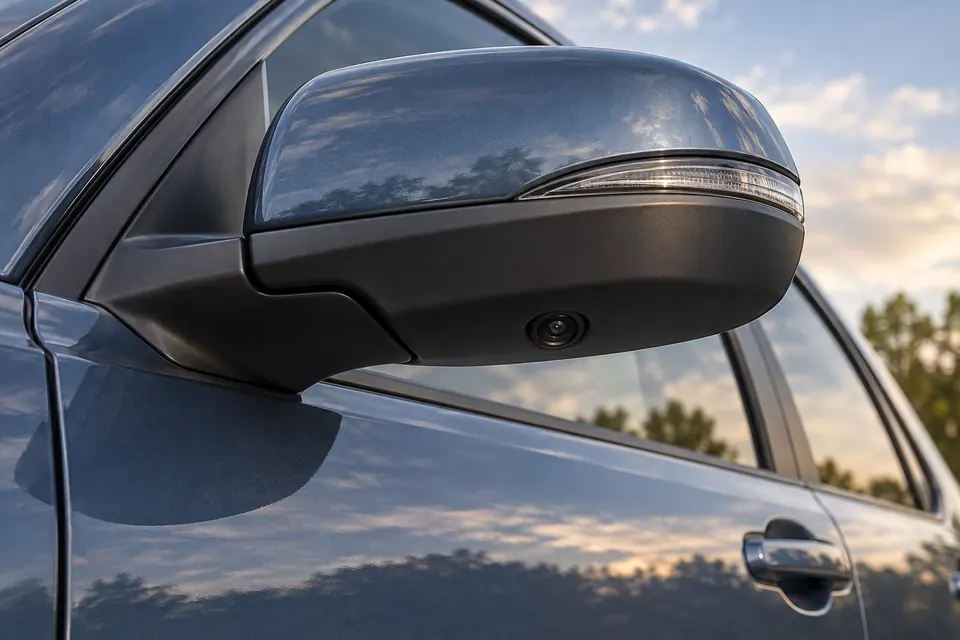
Generated educational illustration: surround view mirror camera context. Not an actual customer repair, diagnostic result, staff member or Boudreaux’s facility.
What to Clarify for Your Vehicle
Ask which cameras or attachments were disturbed and whether the procedure calls for further work. Mirror, liftgate and grille operations can affect different systems on different models. Avoid assuming every exterior camera has the same calibration trigger.
A surround-view image depends on several inputs
Surround-view systems combine camera information to present a view around the vehicle. Cameras may be located in mirrors, front or rear assemblies and other areas. Removing or repositioning the component that holds a camera can make vehicle-specific checks or calibration relevant.
An image appearing on the screen confirms some operation, but does not establish that every camera is positioned or calibrated correctly. Physical assembly and required electronic procedures need separate attention.
Describe an image concern precisely
If the view looks unusual, identify the portion of the image, the operating mode and whether the concern appears every time. A seam or perspective change should be evaluated in context; a screen photograph alone may not establish its cause.
Ask which camera-related components were disturbed and which procedures were completed. If a mirror or tailgate was removed while its camera remained attached, do not assume that means the camera system was unaffected. Keep the final check or calibration documentation with the repair records.
Example: a camera view changes after body work
Imagine a rear assembly containing a camera is removed and reinstalled during body repair. The screen still shows an image, but the owner notices an unusual relationship between portions of the surround view. The observation is worth documenting; it does not establish whether the cause is mounting, calibration, a display setting or another issue.
The shop should connect the concern with the components disturbed and the vehicle-specific requirements. Whether the camera stayed attached to its housing is only part of that history. Removal of the housing can still be relevant to the system’s position and required procedures.
Provide the operating mode and a safely captured image showing the concern. Ask which physical checks and electronic steps apply, and keep their results with the repair records. Do not attempt to twist or reposition the camera to make the displayed seams look different. A clearer symptom description supports assessment without turning the owner’s impression into a presumed diagnosis.
Further repair information
I-CAR: surround-view camera background
General background does not replace the applicable vehicle information, owner’s manual or procedure for the actual operation.
Related Guidance
Keep physical checks and electronic requirements separate
Ask about the mounting condition of the relevant components and any applicable electronic operations. A displayed picture does not independently establish that every attachment or required procedure is correct. The team should explain the relationship between physical body work and system-related requirements for your actual vehicle.
If a concern affects only part of the combined view, avoid deciding that all cameras need replacement. Ask what assessment will identify the relevant issue. Configuration, component condition and the actual instructions need review by the responsible professionals. An owner-selected adjustment can change the condition without establishing a suitable repair.
At handoff, request the available results relevant to the scope and identify any remaining limitation. If another provider performed a procedure, ask how its record is included. Keep the physical repair and electronic-work explanations together instead of accepting a broad statement that the screen turns on.