
IMMEDIATE NEXT STEPS
Before a rear-area assessment
- Get to a safe location if you haven’t already.
- Do not assume the vehicle is safe to drive just because it moves — if you’re unsure, arrange towing or contact your shop before driving further.
- Photograph the visible damage from a few angles.
- Start an estimate online, or contact your shop directly.
WHAT YOU MAY SEE
Visible Signs
- A pushed-in bumper, trunk lid or liftgate
- Cracked lamps, broken mounts or uneven panel gaps
- Parking-sensor warnings, leaks or changes in exhaust or alignment
WHAT MAY BE HIDDEN
Not Always Obvious
- Rear reinforcement, absorbers and trunk-floor areas
- Parking sensors, wiring and rear camera components
- Exhaust, suspension or structural points behind the impact
VEHICLE SYSTEMS POTENTIALLY INVOLVED
What Rear-End Collision Repair Can Affect
HOW WE ASSESS IT
From What You Can See to What the Vehicle Can Prove
1
LOOK
Visible Damage
Document the obvious impact first.
2
ACCESS
Hidden Areas
Teardown can expose what installed parts conceal.
3
VERIFY
Measurements & Scans
Objective information confirms what appearance alone can’t.
INSURANCE & ESTIMATE GUIDANCE
Your Estimate May Change After Inspection
An initial estimate reflects what’s visible when it’s written. Disassembly can reveal additional documented damage that changes the repair plan.
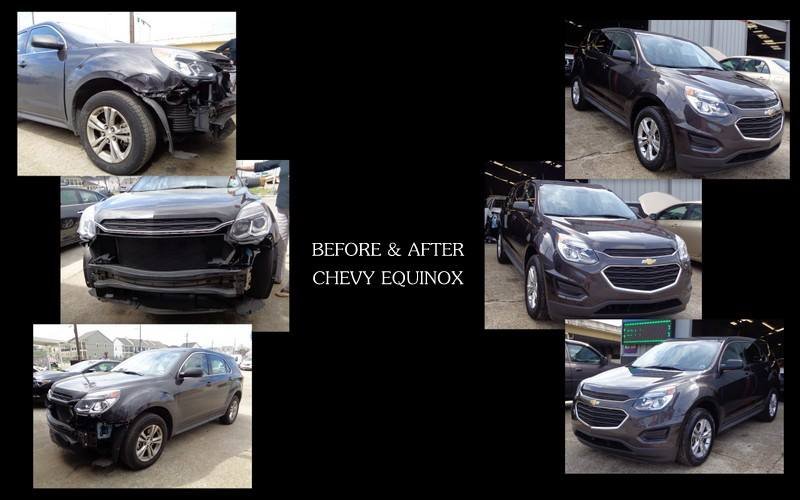
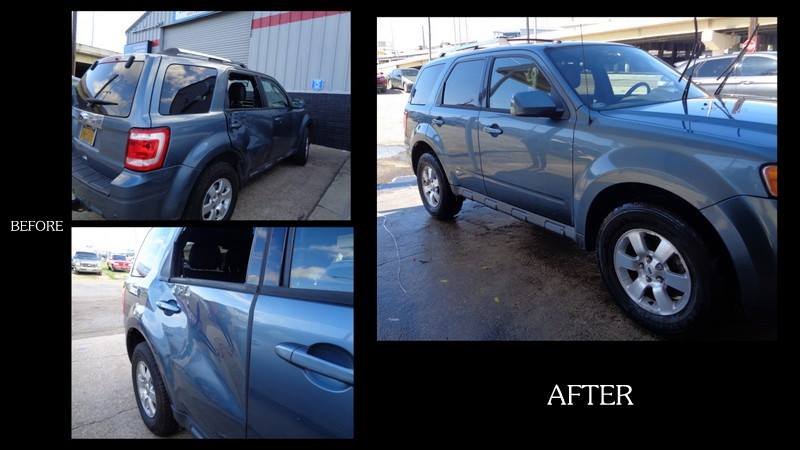
Illustration: Rear-End Collision Repair
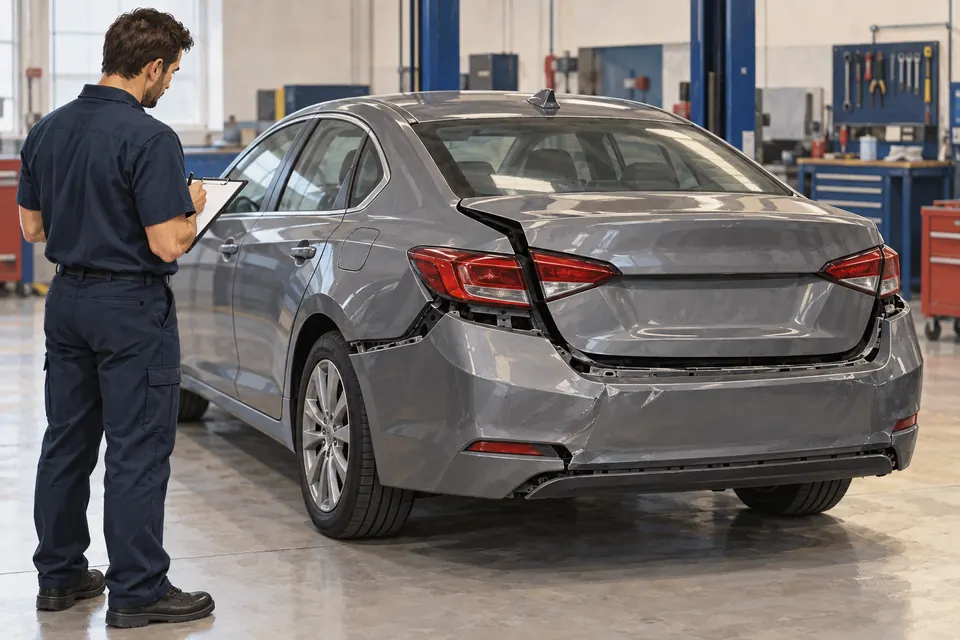
Generated educational illustration: rear impact bumper opening assessment. Not an actual customer repair, diagnostic result, staff member or Boudreaux’s facility.
Describe the rear-area concern without choosing the repair
A rear-area impact can raise separate questions about the visible cover, adjoining body areas and installed equipment. Begin with the vehicle identity and impact description. Ask the shop which findings are confirmed and what remains to be inspected before discussing the full scope.
Describe an opening that behaves differently, a new warning, unusual sound or another change you noticed. Include when it began and whether it existed before the collision. An observation is useful history; it is not proof that a particular hinge, latch, sensor or structural component failed.
Rear-area layouts and systems vary by vehicle and configuration. Tell the estimator about known accessories or modifications and earlier repairs in the area. Share records you have and identify uncertainty rather than assuming every component is original.
Take only safe exterior pictures. Do not force an opening, remove the cover or crawl beneath an unstable vehicle to improve the record. If handling or movement is uncertain, contact the selected shop about receiving and transport before proceeding.
Separate cover work from concealed and adjoining questions
A damaged outer cover does not describe every attachment or component behind it. Ask what further access is required and which authorization applies. The inspection should establish component-specific findings instead of assuming all neighboring parts are damaged or unaffected.
For a hypothetical rear-area example, the first photograph might show a visible cover concern while an opening issue requires a separate inspection. Their proximity does not establish one universal cause. The shop should connect each confirmed finding with the proposed operation.
Ask how any sensing equipment near the work is identified and assessed. Cover repair, mounting condition, diagnostic information and a required setup can be different questions. A general line labeled bumper repair does not independently document every sensor-related task.
If access or procedure research changes the plan, request the dated revision and its explanation. Ask whether the change concerns a newly established component, parts identification or an operation requirement. This is more informative than comparing only the first and last totals.
Where material, structural or other specialist work is proposed, confirm the appropriate arrangement with the location handling the vehicle. Do not infer identical capabilities or a method for your vehicle from a general service description.
Keep the next milestone and final discussion specific
Ask which parts or decision controls the next stage and when another update is expected. Identification, ordering, arrival and checking a part are different milestones. A delivery estimate should be discussed in that context rather than treated as settled because the main visible piece is available.
If an insurer is involved, ask about the current submission and review status while keeping your authorization separate. A revised plan and a payment decision are different facts. Clarify the actual unresolved question before assuming additional work is approved.
At pickup, refer to the opening or operating concern you reported and ask how it was investigated. Discuss relevant fit, finish and affected-function checks and any separate records supplied. Exterior appearance is one part of the explanation.
Keep the final scope and agreed follow-up together. If a new concern appears afterward, identify its location and timing and contact the repairing team. Avoid deliberately repeating an unsafe condition or altering the area to create a demonstration.
Boudreaux’s New Orleans and Luling shops can confirm the receiving plan for your vehicle. Use the selected location and current estimate date when following up; a photo request does not book drop-off, authorize disassembly or establish the complete rear-area scope.
FREQUENTLY ASKED QUESTIONS