
BOUDREAUX’S COLLISION · REPAIR EDUCATION
Front-End Collision Repair Can Involve Multiple Vehicle Systems
If your vehicle has front-end collision damage, here’s what to check first, what may not be visible yet, and how to get a real inspection started — at our New Orleans and Luling, LA collision shops.
IMMEDIATE NEXT STEPS
After Front-End Damage, Do This First
- Get to a safe location if you haven’t already.
- Do not assume the vehicle is safe to drive just because it moves — if you’re unsure, arrange towing or contact your shop before driving further.
- Photograph the visible damage from a few angles.
- Start an estimate online, or contact your shop directly.
WHAT YOU MAY SEE
Visible Signs
- A displaced bumper cover or uneven front panel gaps
- Damaged headlights, grille or hood edges
- Fluid leaks, warning indicators or a change in how the vehicle drives
WHAT MAY BE HIDDEN
Not Always Obvious
- Bumper absorbers, reinforcement and attachment points
- Radar, parking sensor or camera mounts where equipped
- Adjacent structural or suspension areas depending on the impact
VEHICLE SYSTEMS POTENTIALLY INVOLVED
What Front-End Damage Can Affect
HOW WE ASSESS IT
From What You Can See to What the Vehicle Can Prove
1
LOOK
Visible Damage
Document the obvious impact first.
2
ACCESS
Hidden Areas
Teardown can expose what installed parts conceal.
3
VERIFY
Measurements & Scans
Objective information confirms what appearance alone can’t.
INSURANCE & ESTIMATE GUIDANCE
Your Estimate May Change After Inspection
An initial estimate reflects what’s visible when it’s written. Disassembly can reveal additional documented damage that changes the repair plan.
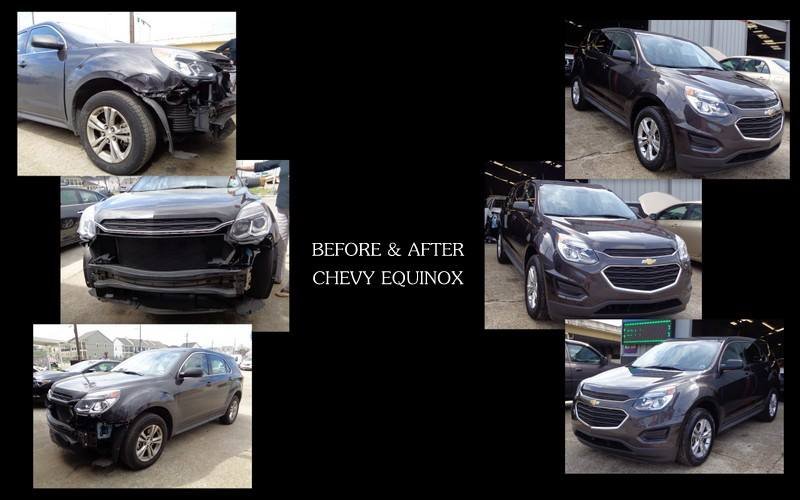
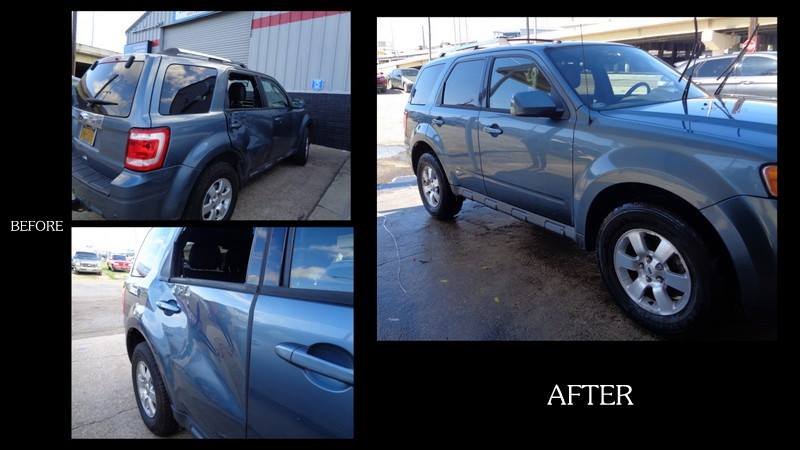
Visible front-corner damage before repair
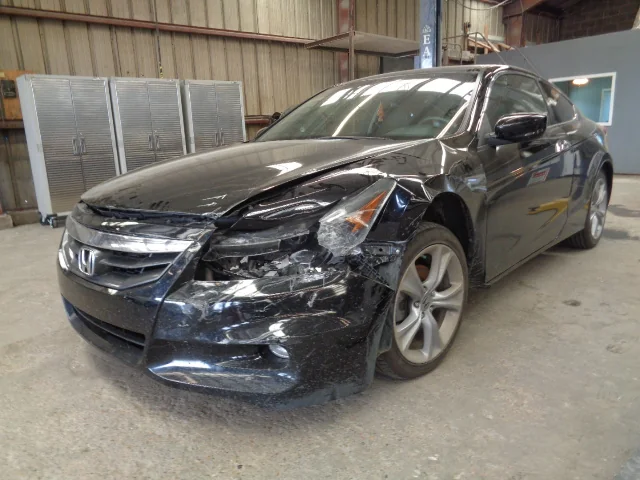
Owner-supplied archive photograph showing visible front-corner damage before repair. It records the exterior condition; it does not establish the full repair scope.
Begin with the damaged area and the vehicle's actual equipment
A front impact can involve several visible areas while leaving adjoining components unevaluated. Give the shop the impact description and vehicle identification, then ask which components are confirmed affected and which questions remain open. The outside appearance does not supply the entire parts list.
Tell the estimator about new warning messages, leaks, unusual opening behavior or other changes you noticed. Include whether a similar concern existed before the collision. These observations provide context without proving a specific failed component or authorizing a particular repair.
Front-area assemblies can differ by model and equipment. Ask which lighting, sensing or adjoining systems are installed on your vehicle and how they relate to the damaged area. A recommendation for a similar-looking vehicle may not describe the correct scope for yours.
Use safe exterior photographs to start the conversation, but do not remove parts or create an unsafe view beneath the vehicle. If movement is uncertain, discuss receiving and transport with the selected shop before attempting to drive it for a better assessment.
Connect further access with the revised plan
Ask which inspection question requires additional access and what authorization applies. Teardown can reveal information that was unavailable during an exterior review. The useful explanation identifies the newly exposed area and its finding rather than simply presenting a larger total.
For a hypothetical bumper-area example, the initial photo may show cover damage while later access establishes a separate attachment concern. The shop should explain the component, evidence and proposed operation. This example is not a prediction about your vehicle or a record of the operations performed in an archive photograph.
If the plan includes a structural, mechanical or electronic operation, ask what specific finding or requirement supports it. Different tasks address different questions; one photo or report should not be treated as evidence that every adjoining system passed.
Ask whether a newly identified item changes parts ordering, the sequence or a later check. Keep the dated revised estimate and supporting explanation together. An added line can affect the next milestone without establishing a fixed delivery date by itself.
Review the relevant completed work before handoff
At pickup, discuss the original concerns and how they were investigated. Ask which fit, finish and affected-function questions belong to the completed plan and what supplied records document separate technical operations. A finished exterior provides visible context but cannot document every concealed condition.
Clarify any unresolved question and the agreed follow-up before relying on an unexplained result. A completed task and an attempted task are different statuses. Ask the shop about the vehicle’s current condition and the pickup arrangement directly.
Keep the final estimate or invoice, supplied verification and follow-up information together with dates. If a question arises later, identify the area and operation you want explained rather than comparing an undated screenshot with an earlier photo estimate.
The owner-supplied photograph on this page records visible front-corner damage before repair. It does not show a completed result or establish the complete technical scope for that vehicle.
For your own job, contact New Orleans or Luling with the vehicle identity, current observations and estimate date. The selected location confirms the receiving arrangement and proposed operations; an online request is the starting conversation.
FREQUENTLY ASKED QUESTIONS
Front-End Damage FAQs
Record the affected corner, then identify adjoining questions
Tell the estimator which corner or front area took the impact, which visible openings have changed and which symptoms appeared afterward. Distinguish a bent hood edge or broken lamp from a concern that still needs access or testing. That helps the initial inspection follow a defined area without assuming every vehicle shares the same parts and equipment.
Modern Front Bumpers Can Carry Technology
Forward radar units, parking sensors and other equipment may be mounted in or near front collision zones. Damage to covers or brackets can matter even when a sensor itself does not look broken.
Structure and Alignment May Need Evaluation
When impact energy reaches structural or suspension mounting areas, visual appearance alone may not answer every question. Measurements, wheel alignment information or manufacturer procedures can become relevant based on the damage.
How This Fits the Larger Repair
The correct next step depends on the vehicle and documented damage. Learn more about collision repair, review our Repair Education resources, or start an estimate request with clear photos and vehicle information.
This guide explains general collision-repair concepts and does not claim that every vehicle requires the same procedures or that every capability is performed at every Boudreaux’s location.