
Illustration: Windshield Damage in a Collision Repair Plan
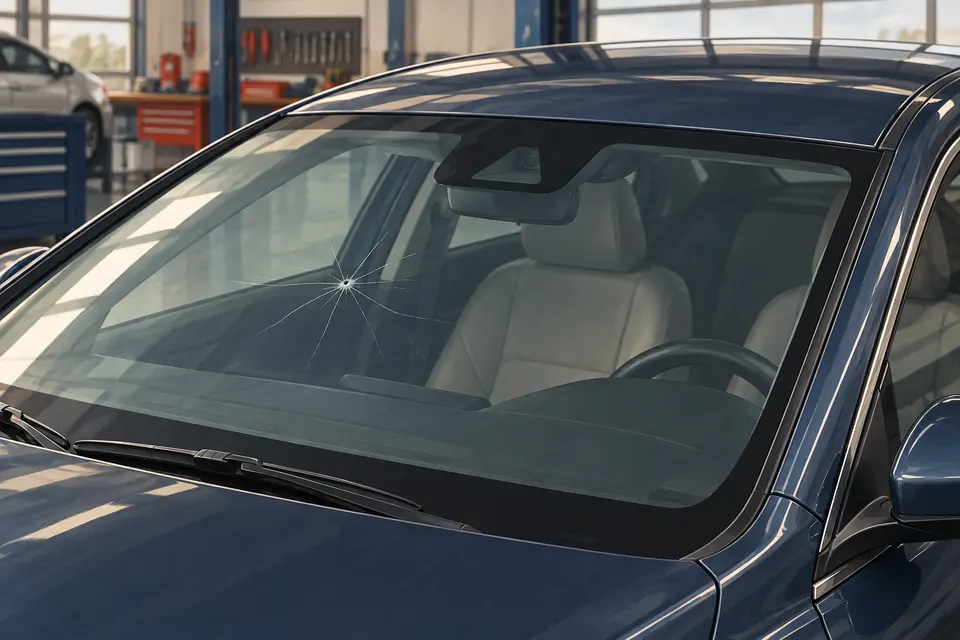
Generated educational illustration: windshield opening and camera context. Not an actual customer repair, diagnostic result, staff member or Boudreaux’s facility.
Can windshield work involve camera setup too?
Windshield damage may involve more than replacing glass. The opening, trim, attachments and any camera-related requirements need to be considered for the vehicle and impact.
Ask the selected shop how glass work is handled and whether the windshield area or mounted systems need further checks. Do not assume every glass operation is available in-house. If visibility or the glass condition makes driving questionable, discuss transport before a visit.
How This Fits Into the Repair Plan
Identify the windshield, opening and fitted systems separately. Confirm the actual glass-service arrangement, applicable camera work and installation-specific release and care instructions.
Related Repair Guidance
Identify the glass and the adjoining questions
Windshield damage needs the actual vehicle, glass configuration and collision area identified. Ask which component and operation the proposal describes. Visible glass damage should not be treated as a complete diagnosis of every adjoining opening, mounting or fitted-system concern.
Describe the impact, visible condition and any new warning or changed function. Mention earlier glass replacement or relevant work if known. These observations help direct assessment without proving that every related component is damaged or that one universal installation method applies.
Take photographs only from a safe position and do not touch loose glass or unstable parts to improve the view. Explain unavailable access. If the vehicle’s movement or visibility condition is uncertain, discuss appropriate transport before driving it to the shop.
Ask which findings are confirmed and which need authorized inspection, measurement or requirements research. The initial estimate should keep unresolved opening or equipment questions provisional until the supported information is established.
Related reading: Windshield Cameras and Calibration Requirements and Forward Camera Calibration After Collision Repair.
Separate installation from related camera and body work
The actual vehicle and products determine the relevant preparation, installation and release requirements. Ask how the plan accounts for them. A generic online waiting period or product example should not replace instructions for the identified installation.
For background on the requirements question, see I-CAR’s windshield camera and calibration guidance. The applicable information for the actual vehicle and operation still governs.
If a camera or another relevant system is associated with the glass area, ask which applicable requirement follows from the actual work. Glass installation, scanning and calibration are different operations. A no-code report does not independently document every installation or setup task.
If the opening or adjoining body is affected, ask what supported operation addresses it. A new glass component should not silently become proof that every reference area or attachment is correctly assessed. Keep those findings and relevant checks distinct in the estimate.
If the supplied glass configuration changes, clarify compatibility and the applicable requirements before approval. A broad windshield label or similar appearance does not explain every fitted-equipment or installation question.
Review the complete installed scope
If access or identification changes the proposal, request the dated revision and reason. Ask whether it changes glass configuration, opening work, preparation, fitted systems or verification. Keep the explanation with the current estimate instead of relying only on a new total.
At handover, ask which glass and adjoining operations were completed and which relevant records and instructions are available. Confirm any applicable release and care guidance with the team. A finished surface cannot independently document every concealed installation or camera requirement.
Discuss any remaining warning, visibility, fit or moisture concern with the shop. The observation should not be discarded because one other result is complete. Ask what was checked and whether a limitation or follow-up remains.
For a later concern, record the conditions and timing and contact Boudreaux’s before resets, trim changes or improvised sealant. The actual record helps distinguish glass, opening and assistance questions in the next assessment.