QUICK ANSWER
Does structural damage automatically mean a total loss?
No. Whether a structural component can be repaired under the vehicle maker’s procedure is separate from an insurer’s total-loss determination. The documented repair scope, vehicle valuation, policy terms and applicable rules all matter; an exterior photo alone cannot settle the claim.
THE CLAIM & ESTIMATE PROCESS
How an Estimate Becomes a Repair
1
ESTIMATE
Initial Estimate
Based on the visible damage known at the time it’s written.
2
SUPPLEMENT
Additional Findings
Documentation for repair items identified after teardown.
3
REPAIR PLAN
Final Repair Plan
Reflects the documented findings, not just the first estimate.
THE REPAIR PLAN
Repair the Vehicle, Not Just the Estimate
After a collision, the goal is not simply to make the damage disappear. The vehicle needs a repair plan built around the damage, the vehicle and the manufacturer’s repair information.
That is why a proper repair begins with understanding the vehicle and the damage—not simply writing a list from what can be seen in a parking lot.
Illustration: Frame Damage vs Total Loss
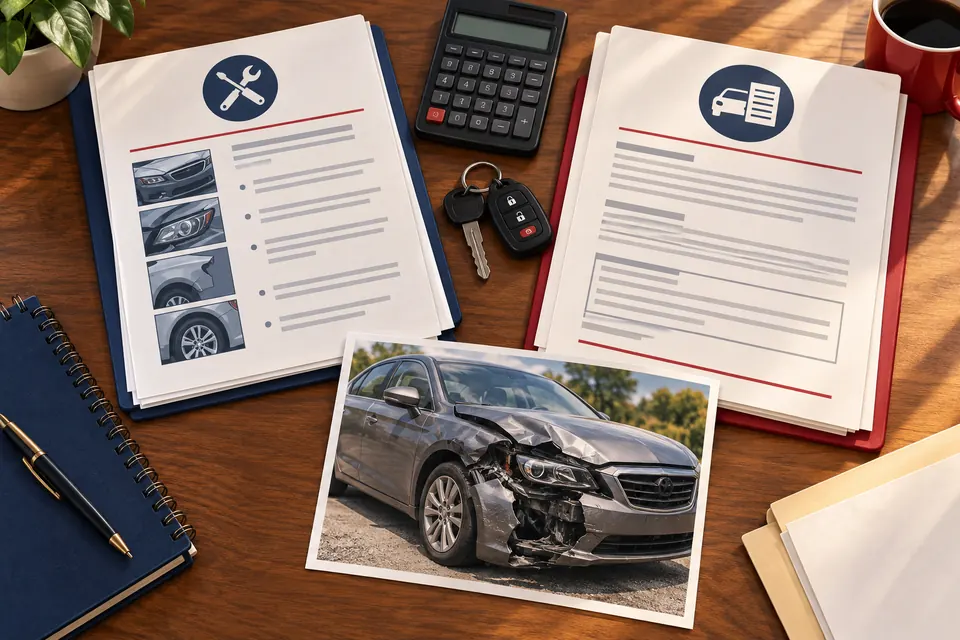
Generated educational illustration: total loss valuation repair scope documents. Not an actual customer repair, diagnostic result, staff member or Boudreaux’s facility.
YOUR DECISIONS
Choices That Belong to the Vehicle Owner
- Choosing which repair facility performs the work.
- Reviewing the repair plan and asking questions before work begins.
- Requesting documentation of findings and completed operations.
MISCONCEPTIONS
Common Misconceptions
- Myth: The insurer’s first estimate is the final price.
- Additional documented damage found during inspection or teardown can change the estimate through a supplement.
- Myth: You must use the insurer’s recommended shop.
- Shop choice may depend on local rules and the terms of a claim. Ask your insurer about your options, and compare the repair plan before authorizing work.
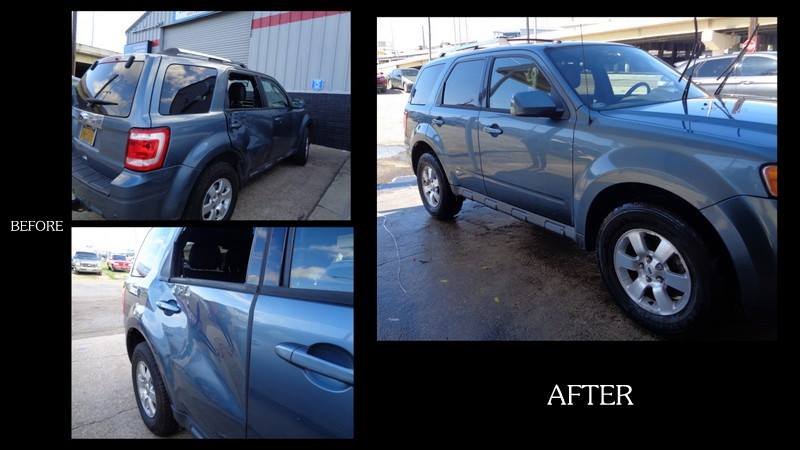
Separate the physical repair question from the claim decision
Ask the shop what the identified structural damage would require under the applicable vehicle information. That question concerns the component, its condition and the supported repair or replacement method. Ask the insurer separately how it is evaluating the claim and vehicle value.
The phrase frame damage does not supply the complete answer to either question. An exterior photograph may provide context while leaving measurements, access or procedure questions open. Request the actual findings and the stage of the assessment rather than relying on a label.
A vehicle’s economic evaluation can involve more than the apparent severity of its exterior damage. For a hypothetical comparison, different vehicles with similar-looking impacts can have different repair costs and values. The comparison does not establish a result for your claim.
Louisiana owners can consult the Department of Insurance’s auto resources and consumer publications for official information and assistance. Ask the insurer to explain the applicable policy and rules for the actual decision rather than treating a general website example as a settlement calculation.
Request records that explain the current evaluation
Keep the repair estimate with its date and inspection stage. If access or research changes the scope, request the revised version and an explanation of the important changes. A preliminary exterior estimate and a later supported plan may contain different information.
Ask the insurer what valuation information it is using and whether the vehicle identity, configuration and relevant condition information are accurate. Identify a specific discrepancy when asking for clarification. A clear question about the record is more useful than debating only the final figure without its inputs.
Keep the insurer’s written explanation with the estimate version it concerns. If a revised scope is still under review, ask what remains open and who is following up. Submission, review and the final claim decision are separate milestones.
Do not assume the existence of an approved component procedure guarantees payment for the full repair. Conversely, a claim decision should not be interpreted as a technical instruction about how to repair a component. The shop’s scope and the insurer’s explanation have different roles.
Clarify next actions before authorizing or arranging movement
Ask which work is currently authorized and what charges or handling arrangements apply at the present stage. Inspection, further access and repair approval can be separate decisions. Discuss the possibility of declining further work before assuming every step is included in the initial request.
If the insurer proposes a total-loss settlement, ask it to explain the next documentation and ownership steps for your case. Do not treat a general option described online as a promise that you can keep or return a particular vehicle on particular terms.
Discuss the vehicle’s physical condition and transport directly with the shop. Its claim status does not independently make a damaged or disassembled vehicle safe to drive. Confirm pickup or movement arrangements rather than using a settlement discussion as clearance.
Keep unresolved policy or claim questions with the relevant written record and use official Louisiana consumer assistance when needed. This page helps separate the questions; it does not determine a valuation, coverage decision or settlement outcome.
For Boudreaux’s, contact the New Orleans or Luling location handling the assessment and reference the vehicle and estimate date. Request a concise summary of confirmed findings, remaining inspection questions and the next decision so the repair record stays clear throughout the claim discussion.
FREQUENTLY ASKED QUESTIONS
Frame Damage vs Total Loss FAQs
Repairability and Total-Loss Decisions Are Different Questions
A structural component may have an approved repair or replacement procedure, but that does not by itself answer the economic total-loss question. Conversely, a vehicle can be totaled for economic reasons without dramatic structural damage.
The Repair Plan Needs Real Findings
Measurements, teardown, parts requirements and manufacturer procedures can help define what repair would involve. Those findings give the claim process better information than a label such as frame damage alone.
Avoid Instant Conclusions From Photos
Photos can show severe-looking damage, but they do not provide every measurement, procedure or valuation input. Vehicle owners should avoid assuming repaired or totaled until the relevant information is developed.
Related Repair Guidance
Every collision is vehicle- and damage-specific. Continue with total-loss basics, explore Repair Education, or start an estimate request.
Each claim and vehicle is different. Confirm coverage and total-loss decisions with the insurer.