
THE FULL REPAIR JOURNEY
Where Collision Quality Control Fits
- Assessment and any required access
- Repair planning and authorization
- Relevant structural and body work
- Refinishing where needed
- Reassembly
- Applicable diagnostic and setup operations
- Relevant verification
- Delivery and owner handoff
A repair can involve these stages. The actual plan and vehicle-specific requirements determine which are needed and their sequence.
BEFORE, DURING & AFTER
What Happens at This Stage
1
BEFORE
What Comes Before
Repair, refinishing, reassembly and any applicable diagnostic or calibration work should be completed before final verification.
2
DURING
What Happens Here
The repaired vehicle is checked against the repair plan, with attention to completed work and affected functions that require verification.
3
AFTER
What Comes Next
Once required checks are complete and documented, the vehicle can move toward delivery and owner handoff.
WHAT INFORMATION CAN CHANGE
Resolve an open check explicitly
If a check identifies a concern, ask which operation it relates to, whether further work is proposed and which later assessment will document the result. Keep an unresolved finding visible in the handoff discussion rather than treating a finished appearance as its answer.
TECHNICAL & MANUFACTURER CONSIDERATIONS
Following the Vehicle’s Own Repair Information
Where applicable, this stage is carried out with reference to the vehicle manufacturer’s repair information, not a one-size-fits-all shortcut.
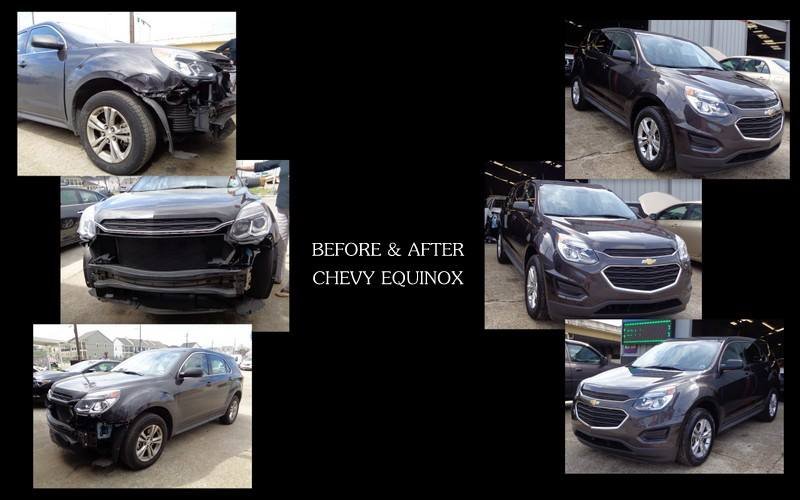
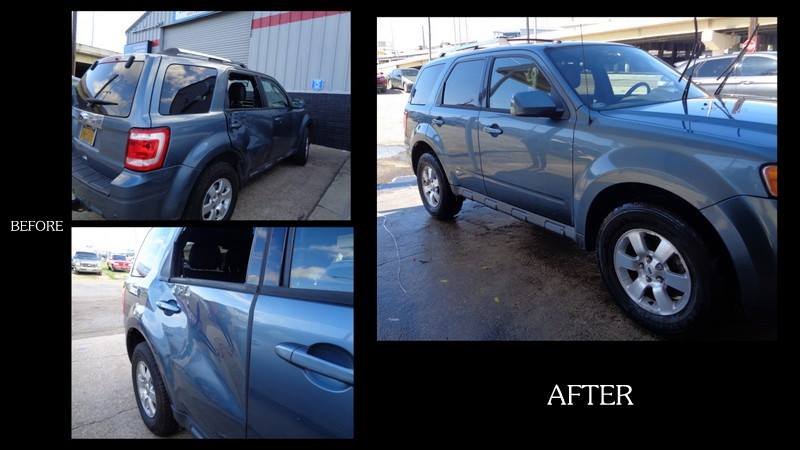
Illustration: Collision Quality Control
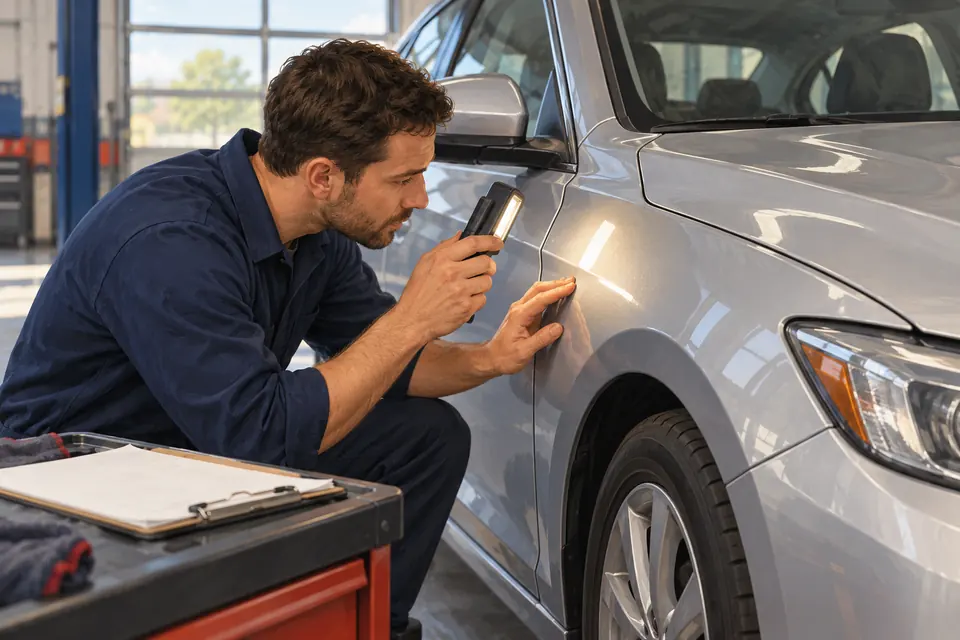
Generated educational illustration: collision quality review fit finish. Not an actual customer repair, diagnostic result, staff member or Boudreaux’s facility.
Use the actual plan as the starting point for verification
Ask which completed operations and affected functions are being reviewed for your repair. Quality control should relate to the work and applicable requirements, not merely a universal checklist that treats every collision as identical. A cosmetic repair and work involving structure or electronic systems can raise different verification questions.
Keep the current estimate or repair plan available when the work is explained. If the scope changed during inspection, use the final dated version rather than the first exterior estimate. The conversation should connect confirmed findings, completed operations and the relevant checks.
For a hypothetical comparison, one job might need a fit-and-finish discussion while another also has separate alignment or calibration documentation. The additional records serve their respective purposes. The example does not claim every vehicle needs each operation or describe a particular customer repair.
Ask about a concern that was unresolved earlier in the job. Identify whether it has been addressed or whether a follow-up remains. An unanswered question should be explained directly instead of disappearing behind the statement that the vehicle looks finished.
Separate visible observations from technical records
Panel fit, finish appearance, reinstalled trim and affected feature operation can each be part of the relevant discussion. Ask the team to identify the area and concern being checked. A photograph can provide visible context but does not independently document every concealed or electronic condition.
Where diagnostic, measurement, alignment or calibration records are supplied, keep their dates and stages with them. Ask what each establishes for the work performed. Similar-looking reports should not be presented as several interchangeable ways of certifying the entire vehicle.
If a named operation was attempted but not completed, ask why and what action follows. An attempt and a completed result are different statuses. Discuss the vehicle’s current condition and any handling arrangement directly with the shop.
Ask the shop to explain unfamiliar invoice terms in ordinary language. The useful answer identifies the operation, its purpose and the relevant completion information. You do not need to perform the technical checks yourself to understand that sequence.
Make the owner handoff a clear final conversation
Before pickup, confirm the receiving or collection arrangement and the status of the agreed work. Ask which documents will be supplied and whether any follow-up has been arranged. Do not infer a pickup appointment from a parts delivery or an earlier tentative date.
At the handoff, refer to the original concerns you reported. Ask how they were investigated and how the completed work relates to them. Keep the final invoice, supplied verification and any follow-up notes together rather than separating a screenshot from its date and vehicle identity.
If you notice an appearance or operation concern, identify the location and circumstances and review it with the shop. After pickup, record any new observation and contact the repairing location for guidance. Avoid deliberately reproducing an unsafe condition to demonstrate it.
Ask directly about care instructions and any applicable warranty or follow-up terms. This guide does not establish those terms or promise every later concern has the same cause. The actual job documents and the selected shop’s explanation provide the relevant information.
For Boudreaux’s, use the New Orleans or Luling location handling your vehicle and reference the repair date. A useful handoff leaves you with an understandable record of the work, relevant checks and the person to contact about a specific question.
FREQUENTLY ASKED QUESTIONS
Collision Quality Control FAQs
Different Repairs Need Different Checks
A cosmetic panel repair and a collision involving structure, steering, electronics or driver-assistance systems do not have identical verification needs. Relevant checks depend on what was damaged and what operations were performed.
Fit, Finish and Function
Quality control can include reviewing panel fit, finish appearance, reinstalled trim and operation of affected features. When a repair involved diagnostic, alignment or calibration procedures, their documentation and results can also matter.
Why a Generic Checklist Is Not Enough
Vehicle-specific repair information and the actual repair plan should drive verification. A shop should not pretend every collision can be signed off with the same universal checklist.
How This Fits the Larger Repair
The correct next step depends on the vehicle and documented damage. Learn more about collision repair process, review our Repair Education resources, or start an estimate request with clear photos and vehicle information.
This guide explains general collision-repair concepts and does not claim that every vehicle requires the same procedures or that every capability is performed at every Boudreaux’s location.