
THE FULL REPAIR JOURNEY
Where Collision Repair Planning Fits
- Assessment and any required access
- Repair planning and authorization
- Relevant structural and body work
- Refinishing where needed
- Reassembly
- Applicable diagnostic and setup operations
- Relevant verification
- Delivery and owner handoff
A repair can involve these stages. The actual plan and vehicle-specific requirements determine which are needed and their sequence.
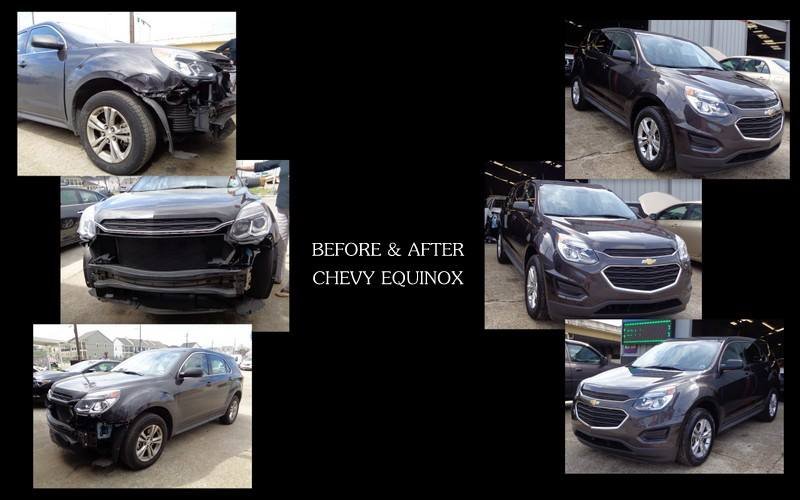
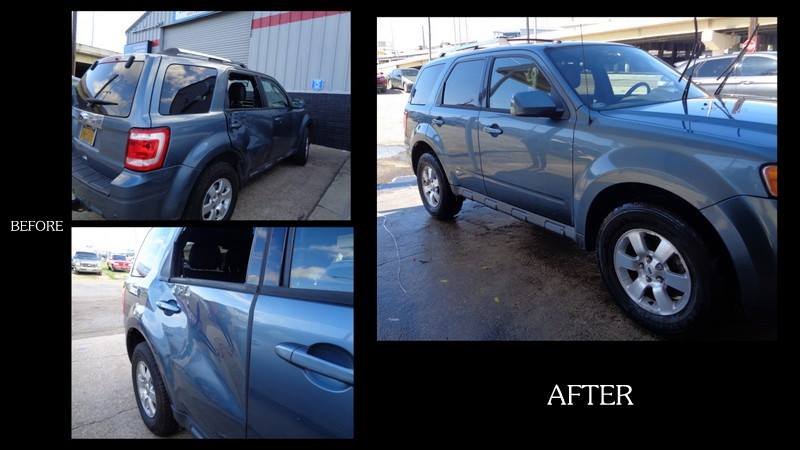
BEFORE, DURING & AFTER
What Happens at This Stage
1
BEFORE
What Comes Before
Inspection and teardown establish the visible and documented conditions that the repair plan needs to address.
2
DURING
What Happens Here
The findings are organized with applicable vehicle-specific repair information so the required operations, parts and verification steps can be defined.
3
AFTER
What Comes Next
Once the plan is developed, repair operations can proceed using the documented findings and applicable procedures.
WHAT INFORMATION CAN CHANGE
Findings Can Update the Plan
Information learned at this stage can change the repair plan or estimate — that’s a normal part of a documented, evidence-based repair, not a sign something went wrong.
TECHNICAL & MANUFACTURER CONSIDERATIONS
Following the Vehicle’s Own Repair Information
Where applicable, this stage is carried out with reference to the vehicle manufacturer’s repair information, not a one-size-fits-all shortcut.
FREQUENTLY ASKED QUESTIONS
Collision Repair Planning FAQs
The Initial Estimate Is a Starting Point
An initial estimate records what can be identified with the information available at that time. If damaged components are still installed, some areas may not be visible. Diagnostic information, structural measurements or manufacturer-required inspections may also not be complete yet.
The repair plan becomes more accurate as uncertainty is replaced with documented findings.
Teardown Can Change the Picture
Collision teardown allows inspection of areas hidden by bumper covers, trim, lamps, panels and other components. It can reveal broken mounting points, additional deformation, damaged reinforcement, wiring concerns or other conditions not visible initially.
Additional findings can lead to a supplement in an insurance repair. The purpose is documentation: showing what changed and why additional parts or operations may be necessary.
Manufacturer Information Helps Define the Method
Vehicles are not interchangeable. Construction materials, joining methods, inspection requirements, one-time-use components and calibration procedures can differ by manufacturer and model. Repair planning includes determining which vehicle-specific information applies to the damaged areas.
Using manufacturer repair information is not the same as claiming a shop holds a manufacturer certification. See OEM & Manufacturer Repair Procedures.
Measurements and Diagnostics Add Objective Information
Visual inspection is useful, but some decisions need objective data. Structural measuring can compare vehicle dimensions to specifications. Diagnostic scanning can identify information stored by electronic systems. Wheel alignment measurements can help evaluate geometry. ADAS calibration procedures may be required after certain repairs or component changes.
A scan is not a structural measurement, an alignment is not an ADAS calibration, and clearing a diagnostic code is not the same as repairing its cause.
Repair or Replace Is Vehicle-Specific
A damaged component is not automatically repairable or replaceable. The decision can depend on the part, material, damage location and severity, access and manufacturer procedures. The same visible type of damage on two vehicles can therefore lead to different plans.
Repair Plan vs Insurance Estimate
An insurer estimate and a body shop repair plan may overlap, but they are not necessarily created at the same time or with the same information. As additional damage and required operations are documented, communication and supplemental documentation can follow.
Professional communication should focus on the vehicle, documented damage and applicable repair requirements. Learn more in Insurance Claims Assistance.
The Goal: Follow What the Vehicle Needs
Detailed planning creates a traceable connection between the collision, findings and repair operations. It reduces guesswork and gives everyone a clearer understanding of why the plan develops the way it does.
Start an estimate request or read Collision Damage Assessment.
Follow the plan from findings to completed operations
A detailed repair plan should connect what was found on the vehicle to the operations proposed to address it. Ask the team to identify the damaged component, explain the repair or replacement method and describe the related work. A parts list alone may not explain access, attachment requirements, refinishing or relevant system procedures.
Manufacturer information helps define what is appropriate for the actual model and construction. The requirements can change with the component, equipment and operations. Ask which information supports a major method decision without expecting every vehicle to follow an identical checklist. A repair plan should reflect the assessed vehicle rather than copy an unrelated example.
Distinguish what is confirmed from what remains conditional. The team may be able to explain an outer-panel method while still needing access to an adjoining assembly. Ask which next finding could change the scope and how that update will be documented. This makes the plan usable even when assessment is ongoing.
Make approvals and updates easy to follow
Keep dated estimate versions and make clear which one is current. When the plan changes, ask what new finding or requirement supports it, how it affects the work and what authorization is needed. A revised price should be understood alongside a revised scope, rather than compared with an older total as though both documents cover identical operations.
Identify the person who can approve work and the preferred contact method. If two owners, a fleet manager or an insurer are involved, clarify their roles instead of giving the shop competing instructions. An insurer’s payment question does not automatically resolve your authorization or the team’s repair-method question.
Before scheduling expectations are treated as firm, ask which dependencies remain: assessment, approvals, parts or confirmed service arrangements. At delivery, use the current repair records to discuss the completed scope and relevant checks. The plan gives that conversation a reference point; it does not promise that every future date or specialized operation was confirmed simply because an initial request was submitted.
More questions before approving a detailed repair plan
A closer look at this topic
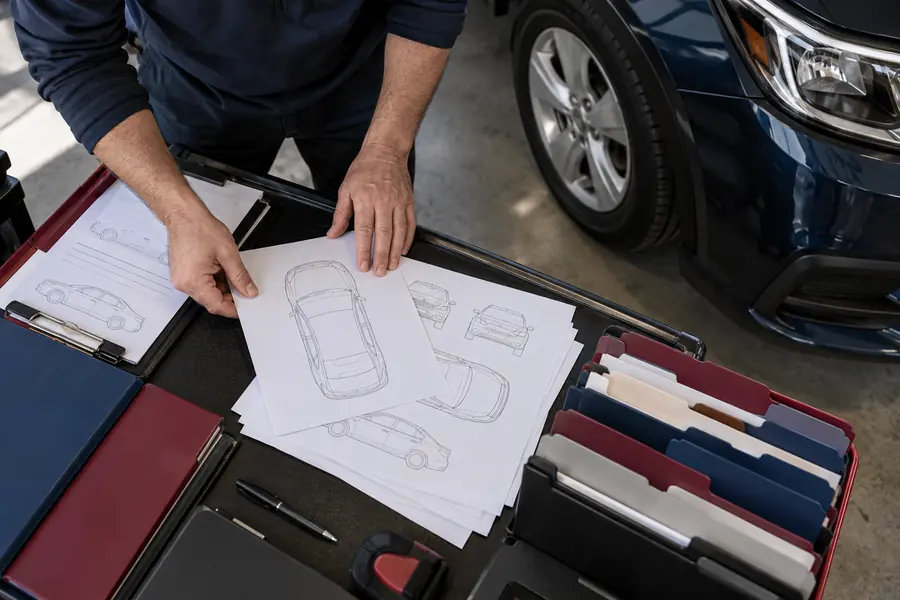
Generated educational illustration — Collision Repair Planning.